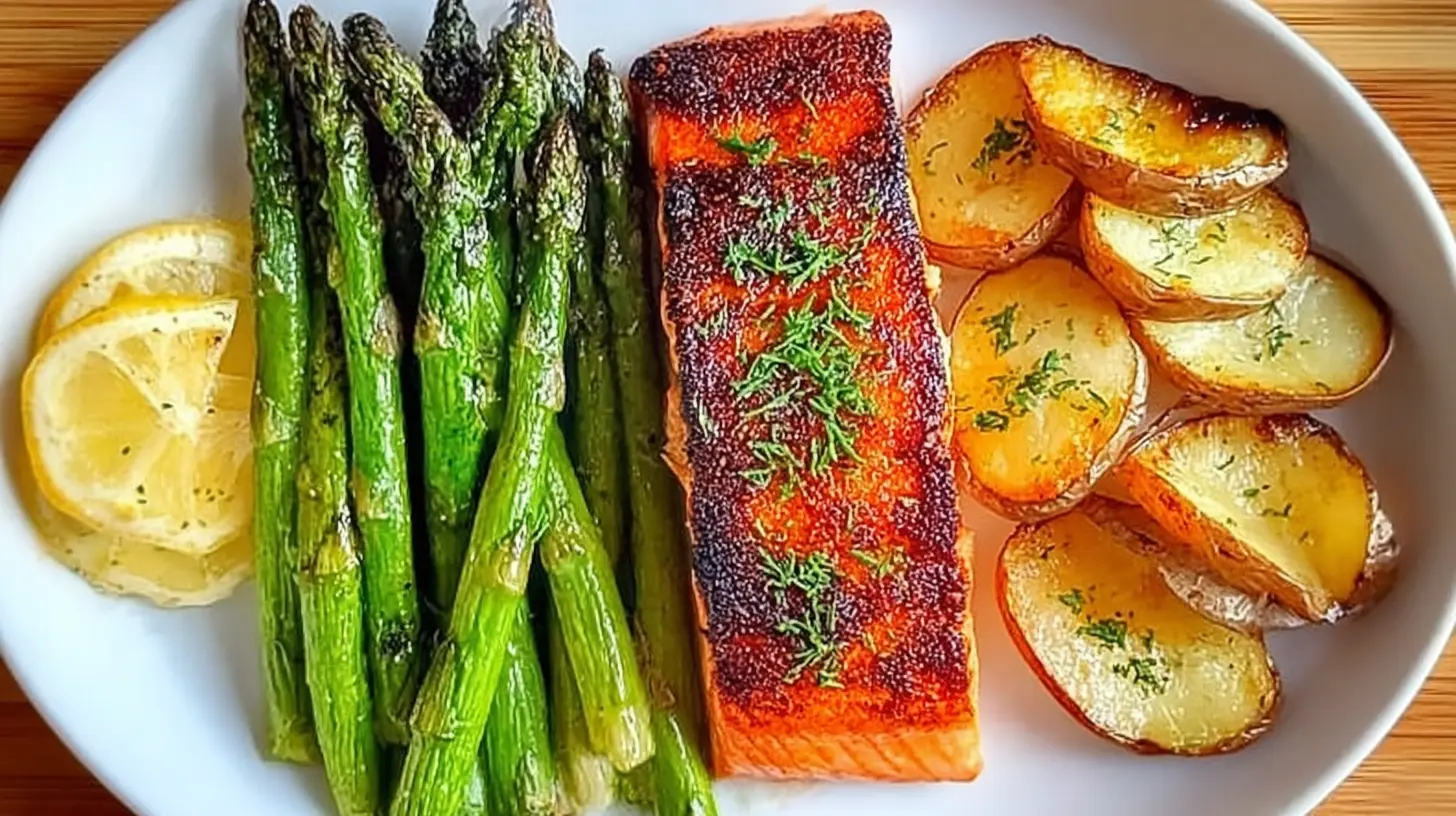
This past weekend, I finally perfected my Healthy Salmon Dinner Plate, and honestly, it felt like a triumph! For a while, I struggled to get the salmon just right – either overcooked and dry or undercooked and unappetizing. But through trial and error, and picking up some fantastic tips along the way, I’ve cracked the code. Now, every time I make it, it’s flaky, flavorful, and incredibly satisfying. If you’re looking to elevate your weeknight dinner or impress guests without spending hours in the kitchen, this is the recipe you need.
Why cook this at home?
There’s something truly special about a perfectly cooked salmon dinner. It’s not just about the incredible taste, but also the fantastic health benefits packed into every bite. This isn’t just another weeknight meal; it’s a vibrant, nutritious powerhouse that feels gourmet without the fuss. It’s incredibly versatile, allowing you to switch up the vegetables and seasonings to suit your mood. Plus, knowing exactly what goes into your food gives you peace of mind, making it a budget-friendly and incredibly satisfying choice for anyone looking to eat well and enjoy their meals.
> “I used to think salmon was intimidating to cook, but this recipe made it so straightforward and delicious! My whole family loved it.”
Step-by-step overview
Making this Healthy Salmon Dinner Plate is surprisingly simple. We start by preparing a colorful array of vegetables, often roasting them to bring out their natural sweetness and a slight char. Next, we’ll focus on the star of the show: the salmon. We’ll season it perfectly and then cook it until it’s beautifully flaky and moist. Finally, everything comes together on one plate, creating a balanced and visually appealing meal that tastes as good as it looks.
Key ingredients
To create your perfect Healthy Salmon Dinner Plate, here’s what you’ll need:
- Salmon Fillets: About 6 ounces per person, skin-on or off, whichever you prefer. Fresh is best, but good quality frozen and thawed salmon works too.
- Assorted Vegetables: Think colorful! Asparagus, broccoli florets, bell peppers (any color), cherry tomatoes, zucchini, or sweet potatoes are excellent choices.
- Olive Oil: For roasting vegetables and drizzling over the salmon.
- Lemon: Both zest and juice will brighten up the flavors.
- Garlic: Freshly minced cloves add a wonderful aromatic depth.
- Fresh Herbs: Dill, parsley, or chives work beautifully with salmon.
- Salt and Black Pepper: Essential seasonings.
- Optional: A touch of honey or maple syrup for a hint of sweetness on the salmon, or a sprinkle of paprika for color and mild spice.
Directions to follow
Let’s get cooking! Follow these steps for your perfect Healthy Salmon Dinner Plate:
- Preheat Oven & Prep Veggies: Preheat your oven to 400°F (200°C). Wash and chop your chosen vegetables into bite-sized pieces. In a large bowl, toss the vegetables with 1-2 tablespoons of olive oil, salt, and pepper. Spread them in a single layer on a large baking sheet.
- Roast Vegetables: Roast the vegetables for 15-20 minutes, or until they are tender-crisp and slightly caramelized. You want a bit of char, but not burnt!
- Prepare Salmon: While the vegetables are roasting, pat your salmon fillets dry with paper towels. This helps achieve a nice sear or crust. Season both sides generously with salt and pepper. In a small bowl, mix 1 tablespoon of olive oil, minced garlic, lemon zest, and a squeeze of lemon juice. Brush this mixture over the salmon fillets.
- Add Salmon to Oven: After the vegetables have roasted for 15-20 minutes, make some space on the baking sheet and add the seasoned salmon fillets, skin-side down if applicable.
- Finish Cooking: Return the baking sheet to the oven and cook for another 10-15 minutes, or until the salmon is cooked through and flakes easily with a fork. Cooking time will vary depending on the thickness of your fillets.
- Serve: Remove from the oven. Squeeze a little extra fresh lemon juice over the salmon and vegetables. Garnish with fresh herbs, if using.
How to plate and pair
This Healthy Salmon Dinner Plate is a meal in itself, but a beautiful presentation always enhances the experience. Arrange the colorful roasted vegetables artfully on your plate, then nestle the perfectly cooked salmon fillet beside them. A sprinkle of fresh dill or parsley not only adds visual appeal but also a burst of fresh flavor.
For an extra touch, you could add:
- A drizzle of quality balsamic glaze: This adds a sweet and tangy counterpoint.
- A dollop of Greek yogurt mixed with dill and lemon: A creamy, bright sauce.
- A sprinkle of toasted sesame seeds: For a nutty crunch.
This dish pairs wonderfully with a light white wine like Sauvignon Blanc or Pinot Grigio, or simply a refreshing glass of sparkling water with a lemon wedge.
The best way to save extras
Leftovers of this Healthy Salmon Dinner Plate are fantastic for a quick lunch the next day! Once cooled, store the salmon and roasted vegetables in separate airtight containers in the refrigerator for up to 2-3 days.
Reheating Tips:
- Salmon: To prevent dryness, gently reheat salmon in the oven at a low temperature (around 275°F/135°C) for 10-15 minutes, or until just warmed through. You can also microwave it briefly on a lower power setting, but be careful not to overcook.
- Vegetables: Reheat roasted vegetables in the oven or a dry skillet to retain some crispness. Microwaving is also an option, but they might become a bit softer.
We generally don’t recommend freezing cooked salmon and vegetables together, as both can become a bit watery and lose their desirable texture upon thawing.
Helpful cooking tips
Achieving that perfect, flaky salmon is much easier with a few insider tricks:
- Pat it Dry: Always, always pat your salmon fillets dry with paper towels before seasoning and cooking. This removes excess moisture, which helps the seasonings stick and allows for a better sear or crust on the outside.
- Don’t Overcrowd the Pan/Sheet: Whether you’re roasting or pan-searing, give your salmon and vegetables plenty of space. Overcrowding lowers the temperature and steams the food instead of roasting/searing it, leading to a less desirable texture.
- Know Your Doneness: Salmon is done when it easily flakes with a fork. It will look opaque throughout but can still have a slight translucency in the very center. An internal temperature of 145°F (63°C) is ideal. Remember, it will continue to cook slightly after it’s removed from the heat.
- Skin-On Advantage: If you like crispy skin, cook skin-on salmon skin-side down for most of the cooking time, especially if pan-searing. The fat in the skin helps conduct heat and keeps the flesh moist.
- Lemon is Your Friend: A squeeze of fresh lemon juice just before serving brightens all the flavors and adds that touch of acidity that salmon loves.
Different ways to try it
This salmon dinner plate is incredibly adaptable! Here are a few ideas to shake things up:
- Mediterranean Twist: Add Kalamata olives, feta cheese, and a sprinkle of oregano to your roasted vegetables. Serve with a creamy tzatziki sauce.
- Asian-Inspired: Brush the salmon with a glaze made from soy sauce, ginger, garlic, and a touch of honey or maple syrup. Roast with snap peas, shiitake mushrooms, and bell peppers. Finish with sesame seeds.
- Spicy Kick: Sprinkle the salmon with chili powder or a pinch of cayenne pepper before cooking. Add finely chopped jalapeños or red pepper flakes to your vegetables.
- Herb Garden Fresh: Experiment with different fresh herbs! Beyond dill and parsley, consider tarragon, chives, or even a hint of rosemary with root vegetables.
- Sheet Pan Power-Up: For ultimate convenience, make this a true one-pan meal by adding quartered small potatoes or sweet potato chunks to the baking sheet along with the other veggies and salmon. Just ensure potatoes are cut small enough to cook through in the same timeframe.
Common questions
How do I know when my salmon is perfectly cooked without a thermometer?
A great visual cue is when the salmon flakes easily with a fork. If you gently press down on the thickest part of the fillet, it should separate into flakes. The color will also change from a deep reddish-orange to an opaque pink throughout. Be careful not to overcook, as it can quickly become dry.
Can I use frozen salmon for this recipe?
Absolutely! Just make sure to thaw it completely in the refrigerator overnight before cooking. Pat it very dry with paper towels before seasoning, as frozen salmon tends to release more moisture.
What are good vegetable substitutions if I don’t have the ones listed?
This recipe is very flexible! Almost any quick-cooking vegetable works well. Good alternatives include green beans, carrots (sliced thinly), Brussels sprouts, cauliflower florets, or even thinly sliced red onions. Adjust roasting times as needed for different vegetables.
Can I cook the salmon in an air fryer instead of the oven?
Yes, you can! Preheat your air fryer to 375°F (190°C). Cook the seasoned salmon fillets for 12-15 minutes, flipping halfway through, or until it reaches desired doneness. Keep an eye on it, as air fryer cooking times can vary. For the vegetables, you can roast them as directed or also air fry them in batches until tender-crisp.
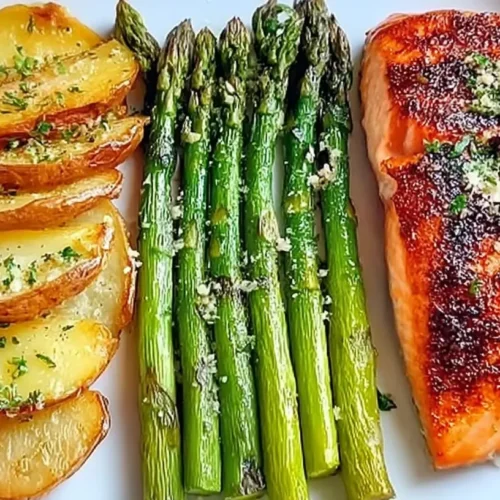
Sheet Pan Lemon Herb Salmon with Roasted Asparagus & Cherry Tomatoes
Equipment
- Baking sheet
Ingredients
Main Ingredients
- 4-6 oz salmon fillet per person
- 1-2 tbsp olive oil
- 1 lemon sliced and extra for serving
- 2-3 garlic minced
- Fresh dill or parsley chopped
- Salt and black pepper to taste
- 1 lb asparagus ends trimmed
- 1 pint cherry tomatoes
Instructions
Preparation
- Preheat your oven to 400°F (200°C).
Assemble
- On a large baking sheet, toss the trimmed asparagus spears and cherry tomatoes with 1-2 tablespoons of olive oil, salt, and pepper.
- Pat the salmon fillets dry, then drizzle with olive oil, rub with minced garlic, and season generously with salt, pepper, and fresh chopped dill or parsley. Place lemon slices on top of each fillet.
Roast
- Arrange the seasoned salmon fillets on the same baking sheet with the vegetables, ensuring everything is in a single layer.
- Roast for 12-18 minutes, or until the salmon is cooked through and flaky, and the vegetables are tender-crisp.
Serve
- Squeeze extra fresh lemon juice over the cooked salmon and vegetables before serving immediately.