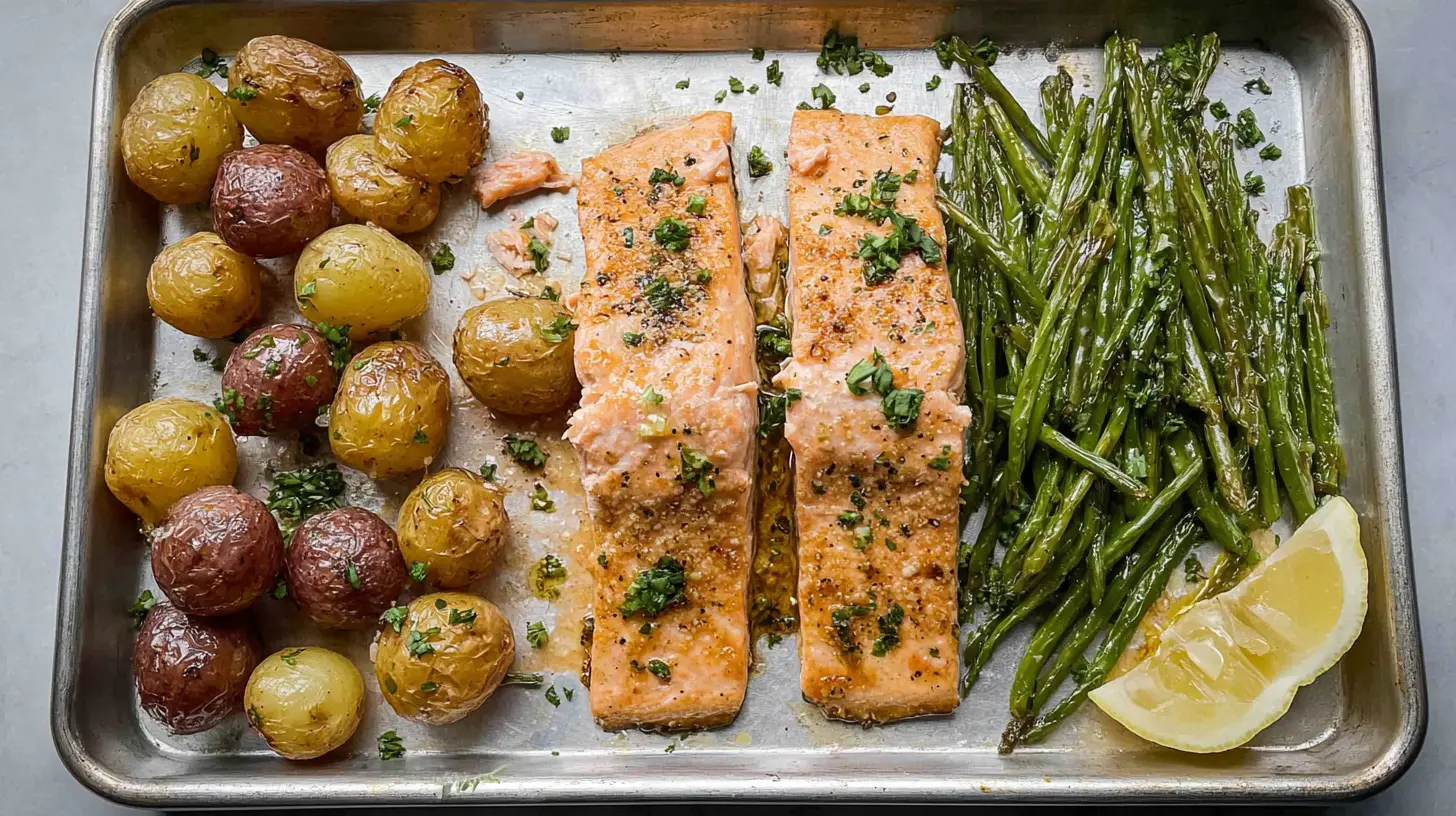
The aroma of perfectly cooked salmon, flaky and moist, mingling with tender roasted vegetables – all from a single pan. That’s not just a dream, it’s a weeknight reality I’ve come to rely on. There’s something immensely satisfying about minimizing cleanup without sacrificing flavor, and the one-pan salmon dinner has become a true staple in my kitchen. It’s the kind of meal that feels both gourmet and incredibly simple, making it a go-to for busy evenings or when I want to impress with minimal fuss.
Why You’ll Love This Dish
Let’s be honest, who doesn’t love a delicious meal that practically cleans up after itself? The one-pan salmon dinner isn’t just about convenience; it’s a testament to how simple ingredients can come together to create something truly spectacular. You’ll adore this recipe for its lightning-fast prep, the healthy protein and vibrant veggies it packs, and the sheer versatility it offers. It’s perfect for a wholesome family dinner, a quick romantic meal, or even impressive enough for last-minute guests.
> “I used to dread cooking fish because of the mess, but this one-pan method changed everything! The salmon is always perfectly cooked, and the veggies are tender-crisp. It’s a lifesaver on busy nights!” – A happy home cook
The Cooking Process Explained
The beauty of a one-pan salmon dinner lies in its straightforward approach. You’re essentially combining your protein and vegetables on a single baking sheet, seasoning them to perfection, and letting the oven do all the hard work. The magic happens as the salmon roasts alongside the veggies, infusing everything with delicious flavor. The key here is proper timing and temperature, ensuring both elements cook through evenly without overcooking the delicate fish or leaving the vegetables underdone. We’ll dive into how to achieve that balance beautifully.
What You’ll Need
To embark on your journey to a perfect one-pan salmon dinner, gather these fresh and flavorful items:
- Salmon Fillets: About 6 ounces per person, skin-on or skin-off (skin-on can help keep it moist).
- Assorted Vegetables: Broccoli florets, asparagus spears, bell peppers (any color), zucchini, cherry tomatoes, or sliced red onion work wonderfully. Choose what’s in season!
- Olive Oil: Extra virgin is best for flavor.
- Lemon: One fresh lemon, half sliced for roasting, half for juicing.
- Garlic: Freshly minced for maximum aroma.
- Fresh Herbs: Dill, parsley, or thyme are excellent choices to brighten the dish.
- Salt and Black Pepper: Essential for seasoning.
- Optional Seasonings: Paprika, garlic powder, onion powder, or a dash of cayenne for a little kick.
Directions to Follow
Let’s get this deliciousness into the oven!
- Preheat and Prep: Preheat your oven to 400°F (200°C). Line a large baking sheet with parchment paper for easy cleanup.
- Chop Veggies: Wash and chop your chosen vegetables into roughly uniform, bite-sized pieces. Aim for pieces that will cook in about 15-20 minutes.
- Toss Vegetables: In a large bowl, toss the chopped vegetables with 1-2 tablespoons of olive oil, minced garlic, salt, and pepper. Spread them evenly in a single layer on one side of your prepared baking sheet.
- Prepare Salmon: Pat the salmon fillets dry with paper towels. This helps achieve a nice sear and prevents steaming. Season both sides generously with salt, pepper, and any additional dry seasonings you like.
- Arrange and Add Lemon: Place the seasoned salmon fillets on the other side of the baking sheet, ensuring they have a little space around them. Arrange lemon slices over and around the salmon.
- Roast: Transfer the baking sheet to the preheated oven. Roast for 12-18 minutes, depending on the thickness of your salmon and how well-done you prefer it. The salmon should be flaky when tested with a fork, and the vegetables tender-crisp.
- Serve: Once cooked, remove from the oven. Garnish with fresh herbs and a squeeze of fresh lemon juice before serving immediately.
How to Serve Your Perfect Salmon
This one-pan wonder truly shines on its own, but a few simple additions can elevate the experience. For a complete meal, I often serve it straight from the pan, family-style, with an extra sprinkle of fresh dill or chopped parsley to add a vibrant pop of color and freshness. A simple side of fluffy quinoa or brown rice can also be a nice addition to soak up any pan juices. Sometimes, a dollop of Greek yogurt mixed with a squeeze of lemon and a pinch of dill makes for a delightful, cooling sauce. Don’t forget that extra wedge of lemon on the side – a final squeeze dramatically brightens the flavors.
Keeping Leftovers Fresh
Should you be so lucky as to have any leftovers, proper storage is key to enjoying them later. Once cooled, transfer the salmon and vegetables to an airtight container. They’ll keep well in the refrigerator for up to 2-3 days. When reheating, I recommend doing so gently in the microwave or in a foil-covered dish in a low oven to prevent the salmon from drying out. Unfortunately, salmon doesn’t freeze particularly well cooked, as its texture can become mealy upon thawing, so it’s best enjoyed fresh or within a couple of days.
Helpful Cooking Tips
Achieving that perfect salmon and tender-crisp vegetables every time involves a few simple tricks:
- Don’t Crowd the Pan: Give your ingredients space! If the pan is too crowded, everything will steam instead of roast, leading to soggy veggies and less flavorful salmon. Use two pans if necessary.
- Pat Salmon Dry: This is crucial for getting a nice, slightly crispy exterior on the salmon and preventing it from steaming in its own juices.
- Even Vegetable Cuts: Ensure your vegetables are cut into similar sizes so they cook evenly. Denser vegetables (like potatoes or carrots) might need a 5-10 minute head start before adding the salmon and quicker-cooking veggies.
- Oil Vegetables, Not Salmon (Initially): Toss the vegetables generously with olive oil. For the salmon, a lighter brush of oil is sufficient, as its natural fats will help keep it moist.
- High Heat is Your Friend: Roasting at 400°F (200°C) ensures good caramelization on the vegetables and helps cook the salmon quickly and efficiently.
- Don’t Overcook the Salmon: This is the golden rule! Salmon is done when it easily flakes with a fork. It will continue to cook slightly from residual heat after it comes out of the oven. Aim for an internal temperature of 145°F (63°C) at its thickest part.
- Parchment Paper is a Game-Changer: Seriously, it makes cleanup a breeze! Don’t skip this step.
- Season Generously: Don’t be shy with salt and pepper! They are essential flavor enhancers.
- Fresh Lemon & Herbs: A squeeze of fresh lemon juice at the end brightens all the flavors, and fresh herbs add a professional finish and aromatic lift.
- Rest Before Serving: Much like meat, giving the salmon a minute or two to rest after coming out of the oven allows the juices to redistribute, resulting in more moist and tender fish.
Creative Twists
The beauty of a one-pan meal is how easily you can switch things up!
- Mediterranean Medley: Add pitted Kalamata olives, sun-dried tomatoes, and crumbled feta cheese to your vegetables during the last few minutes of roasting.
- Asian-Inspired: Before roasting, glaze the salmon with a mixture of soy sauce, ginger, garlic, and a touch of honey or maple syrup. Serve with sesame seeds.
- Spicy Kick: Toss the vegetables with a pinch of red pepper flakes or a dash of smoked paprika.
- Herb Power: Experiment with different herb combinations – rosemary and garlic, tarragon and lemon, or even a pesto drizzle over the finished dish.
- Root Vegetable Roast: In colder months, swap lighter veggies for chunks of sweet potato, carrots, or parsnips. Just remember they’ll need a longer cooking time, so give them a head start before adding the salmon.
Common Questions
Can I use frozen salmon for this recipe?
A: Yes, you can! Just make sure to thaw it completely in the refrigerator overnight or under cold running water before patting it dry and seasoning. Cooking frozen salmon directly can lead to uneven cooking and a watery result.
What’s the best way to know if my salmon is cooked through?
A: The easiest way is to gently flake it with a fork at its thickest part. If it flakes easily and looks opaque throughout, it’s done. For absolute precision, an instant-read thermometer should register 145°F (63°C) for medium-cooked salmon.
My vegetables are still hard, but my salmon is cooked. What went wrong?
A: This usually means your vegetables were either cut too large or they needed a head start. Next time, try cutting denser vegetables into smaller pieces or roast them for 5-10 minutes before adding the salmon to the pan. You can also cover the pan with foil for the first part of the vegetable cooking if they are particularly dense.
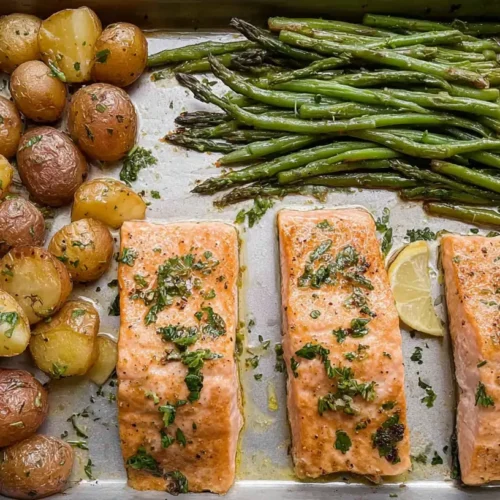
One-Pan Lemony Dill Salmon & Roasted Veggies
Equipment
- Oven
- Large Rimmed Baking Sheet
- Parchment Paper
- Large Bowl
Ingredients
Main Ingredients
- 1.5 lbs Salmon Fillets skin-on or off, cut into 4-ounce portions
- 3 cups Broccoli Florets bite-sized
- 2 large Bell Peppers any color, cored and sliced
- 1 medium Red Onion thinly sliced
- 1 pint Cherry Tomatoes left whole
- 3 tablespoons Extra Virgin Olive Oil
- 1 large Lemon half sliced for roasting, half for juice and garnish
- 3 cloves Garlic minced
- 1 teaspoon Dried Dill plus extra for garnish, if desired
- 1 teaspoon Paprika
- Salt & Black Pepper to taste
Instructions
Preparation
- Preheat your oven to 400°F (200°C) and line a large rimmed baking sheet with parchment paper.
- Combine broccoli, bell peppers, red onion, and cherry tomatoes in a bowl with olive oil, minced garlic, dried dill, paprika, salt, and pepper, then toss until well coated.
Cooking
- Spread the seasoned vegetables on the baking sheet and roast for 15 minutes.
- While vegetables roast, pat salmon dry, drizzle with olive oil, and season with salt and pepper.
- Remove the baking sheet, make space for the salmon, and place the fillets among the vegetables with lemon slices on top.
- Return to the oven and bake for 12-18 minutes until salmon is cooked through and vegetables are tender-crisp.
Serving
- Remove from the oven, squeeze fresh lemon juice over the dish, and garnish with extra fresh dill if desired. Serve immediately.