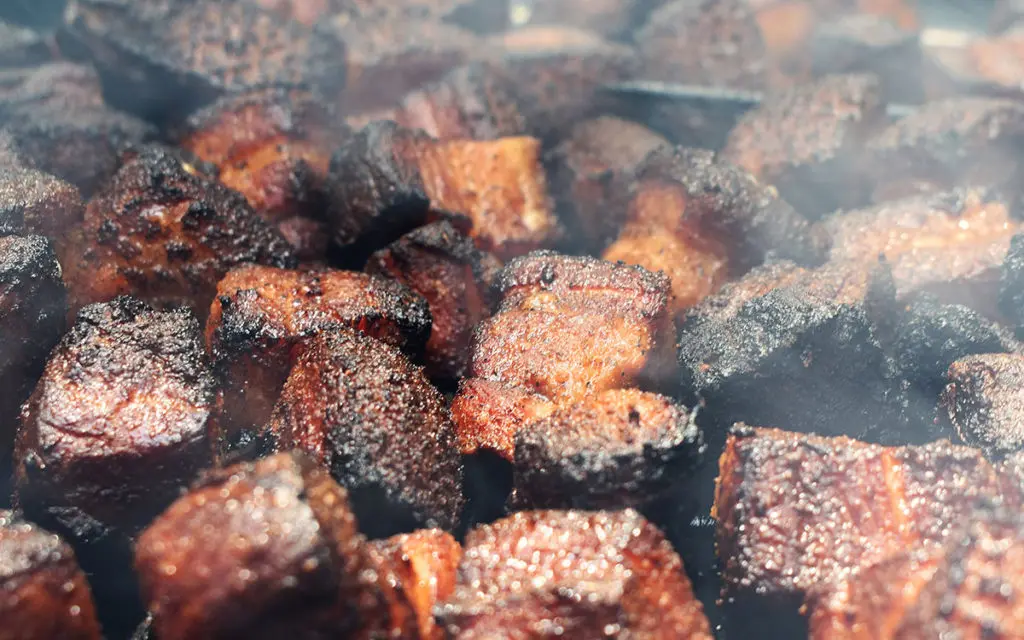
I still remember my first bite of a truly exceptional Kansas City burnt end. It was smoky, incredibly tender, yet had that perfect caramelized bark – a magical combination of sweet and savory that just melts in your mouth. For anyone who loves barbecue, the thought of these bite-sized morsels of beefy perfection often conjures images of long queues at iconic KC joints and the intense satisfaction of sinking your teeth into something truly special.
Why You’ll Love This Dish
Kansas City burnt ends aren’t just another BBQ dish; they’re a legend, a testament to low-and-slow cooking perfected. What makes them so utterly irresistible? It’s the journey from a humble brisket point to these rich, intensely flavored gems. Each bite offers a symphony of textures – a crispy, smoky exterior giving way to incredibly tender, juicy meat within. They’re naturally packed with flavor, making them a standout at any gathering, whether it’s a backyard cookout, a game day feast, or simply a weekend treat. They represent the pinnacle of barbecue artistry, transforming a specific cut of meat into something truly extraordinary.
> “I thought I knew BBQ, but these Kansas City burnt ends are on another level. The flavor is intense, and they just melt in your mouth. A true BBQ masterpiece!” — A Satisfied Burnt End Enthusiast
How These Burnt Ends Come Together
Making authentic Kansas City burnt ends is a labor of love, a multi-stage process that rewards patience and attention to detail. It starts with a perfectly cooked brisket point, which is the fattier, more flavorful end of a full brisket. This point is then separated, cubed, and returned to the smoker (or an oven, for a slightly less smoky but still delicious finish) with a rich, savory barbecue sauce. This second round of cooking is where the magic truly happens: the edges caramelize, the fat renders beautifully, and the cubes develop that irresistible “burnt” (but not actually burnt!) bark, all while becoming incredibly tender and infused with even more smoky flavor.
Key Ingredients
To embark on your burnt end journey, you’ll need a few essential items:
- Brisket Point: This is the star of the show. You can buy a whole beef brisket and separate the point from the flat yourself after the initial cook, or sometimes your butcher can provide just the point. Look for a well-marbled piece.
- Your Favorite BBQ Rub: A good quality, savory rub with a balance of salt, pepper, garlic powder, onion powder, and a hint of paprika is key to building that initial flavor.
- Barbecue Sauce: A classic Kansas City-style BBQ sauce – sweet, tangy, and a little smoky – is perfect for the second round of cooking. You can use your favorite store-bought brand or make your own.
- Apple Cider Vinegar (optional): A little spritz during the initial cook can help keep the brisket moist and add a touch of tang.
- Brown Sugar/Honey: Often used in the second stage, these add to the caramelization and sweetness of the burnt ends.
- Butter (optional): A few pats of butter during the second cook can add richness and moisture.
Directions to Follow
Here’s a general overview of transforming a brisket point into glorious Kansas City burnt ends. Remember, specific times and temperatures can vary, so always cook to temperature and tenderness.
- Prepare the Brisket Point: If starting with a whole brisket, cook it low and slow (e.g., 225-275°F/107-135°C) until it’s probe-tender, typically around 195-205°F (90-96°C) internal temperature. If you have just the point, trim any excess hard fat, leaving about 1/4 inch of fat cap. Apply your dry rub generously to all sides.
- Initial Smoke (Brisket Point): Place the seasoned brisket point in your smoker set to 250-275°F (121-135°C), fat side up. Cook until a beautiful bark has formed, and the internal temperature reaches about 165-175°F (74-79°C). This can take 4-6 hours or more.
- Wrap (Optional but Recommended): At this point, you can wrap the brisket point tightly in butcher paper or foil. Spritz with apple cider vinegar or beef broth before wrapping. Return to the smoker and continue cooking until the meat is probe-tender, usually between 200-205°F (93-96°C).
- Rest: Once tender, remove the brisket point from the smoker and let it rest, still wrapped, for at least an hour, or even two. This is crucial for juicy meat.
- Cube and Sauce: After resting, unwrap the brisket point and carefully separate it from any rendered fat. Cut the point into 1-1.5 inch cubes. Place the cubes in a disposable aluminum pan or a deep baking dish.
- Second Cook (The “Burnt” Part): Drizzle the cubed brisket with your favorite Kansas City BBQ sauce. Add a tablespoon or two of brown sugar, a few pats of butter (if using), and a splash of beef broth for moisture. Toss gently to coat.
- Caramelize and Tenderize: Return the pan of sauced burnt ends to the smoker (or preheated oven at 275-300°F/135-149°C). Cook, stirring occasionally, for another 1.5-2.5 hours, or until the sauce has caramelized into a sticky glaze, the edges are slightly crispy, and the meat is incredibly tender.
- Serve: Remove from the heat and let them cool slightly before serving.
Best Ways to Enjoy It
Kansas City burnt ends are incredibly versatile! While they’re undeniably fantastic on their own, here are some favorite ways to plate and pair them:
- Classic Sandwich: Pile high on a toasted bun with a dollop of coleslaw and a few pickles.
- Loaded Fries or Nachos: Chop them up and scatter them over crispy fries or a bed of tortilla chips with cheese sauce, jalapeños, and all your favorite toppings.
- BBQ Platter: Serve alongside classic sides like mac and cheese, baked beans, cornbread, and extra BBQ sauce for dipping.
- Tacos: A creative twist! Serve in warm tortillas with a fresh slaw or pico de gallo.
- As an Appetizer: Simply serve in a bowl with toothpicks for easy grabbing – they disappear quickly!
The Best Way to Save Extras
If you happen to have any Kansas City burnt ends left over (a rare occurrence!), proper storage is key to enjoying them later.
- Refrigeration: Place cooled burnt ends in an airtight container and refrigerate for up to 3-4 days.
- Freezing: For longer storage, freeze cooled burnt ends in a single layer on a baking sheet, then transfer to a freezer-safe bag or container once solid. They can be frozen for up to 2-3 months. Thaw overnight in the refrigerator.
- Reheating: The best way to reheat burnt ends is gently in the oven or on the smoker. Preheat your oven to 275-300°F (135-149°C). Place the burnt ends in an oven-safe dish, add a splash of water or beef broth, cover with foil, and heat until warmed through, about 20-30 minutes. You can also re-sauce them before reheating for an extra kick. Avoid microwaving if possible, as it can make them tough.
Helpful Cooking Tips
Achieving burnt end perfection takes a little practice, but these tips will set you on the right path:
- Don’t Rush the Cook: True BBQ is all about low and slow. Rushing the initial brisket cook will result in dry, tough meat.
- Patience with the Bark: Resist the urge to constantly peek or open the smoker. Let that beautiful bark form undisturbed.
- Use a Good Thermometer: An accurate leave-in probe thermometer is your best friend for monitoring internal temperature during the brisket cook.
- Don’t Over-Sauce the Second Cook: You want the sauce to meld and caramelize, not drown the meat. Start with a moderate amount and add more if needed.
- Taste as You Go (Second Cook): Adjust the sweetness or tang of the sauce during the second cook if you feel it needs it. A little extra brown sugar or a splash of apple cider vinegar can make a difference.
- Feel for Tenderness: The most important indicator of doneness for burnt ends (and brisket) isn’t just temperature, but tenderness. A probe should slide into the meat with very little resistance, “like butter.”
Creative Twists
While traditional Kansas City burnt ends are unbeatable, there are always ways to experiment:
- Spicy Kick: Add some finely diced jalapeños, a dash of cayenne pepper, or a spicier BBQ sauce to the second cook.
- Sweet Heat: Incorporate a little maple syrup or honey along with the brown sugar for a richer, sweeter glaze.
- Coffee Rub: A coffee-based dry rub can add incredible depth and a dark, complex flavor profile to the brisket.
- Pork Belly Burnt Ends: If beef isn’t your only love, try making burnt ends from pork belly for an even fattier, richer experience. The concept is very similar!
- Different Wood: Experiment with different smoking woods. While oak and hickory are traditional, pecan or apple wood can add unique nuances.
Common Questions
Do I have to start with a whole brisket?
A: No, you don’t. While starting with a whole brisket and separating the point is common, you can often purchase just the brisket “point” from your butcher, which streamlines the process. Just ensure it has good marbling.
Why are they called “burnt ends” if they’re not actually burnt?
A: The name comes from the traditional practice of taking the flavorful, crusty ends of the smoked brisket and “burning” them a second time in sauce. While they develop a dark, crispy, caramelized bark, they shouldn’t be truly charred or burnt in the literal sense. It’s more about the intense crust and deep flavor.
Can I make Kansas City burnt ends in an oven if I don’t have a smoker?
A: You can definitely achieve delicious results in an oven, though you’ll miss out on the deep smoke flavor. To compensate, use a good quality liquid smoke (sparingly!) in your rub or sauce, or opt for a smoked paprika. The cooking process for the point and the second “burnt” stage will remain largely the same, just without the smoke element.
My burnt ends came out dry. What went wrong?
A: Dry burnt ends usually stem from overcooking the initial brisket point, not resting it long enough, or cooking the cubed pieces at too high a temperature during the second cook without enough moisture. Ensure your initial cook reaches tenderness, not just temp, and add some liquid (broth or sauce) during the second cook to keep things juicy.
Classic Kansas City Burnt Ends
Equipment
- Smoker
- Aluminum foil pans
- Sharp carving knife
- Meat thermometer
- Butcher paper or aluminum foil
Ingredients
Brisket
- 1 full packer brisket (10-14 lbs), ideally with good marbling
Rub & Sauce
- 1/2 cup your favorite savory BBQ rub (with salt, pepper, garlic, and a touch of sweetness)
- 2 cups Kansas City-style BBQ sauce (thick, sweet, and tangy tomato-based)
For Smoking
- 1/4 cup apple cider vinegar (for spritzing)
- Wood chunks or chips (oak, hickory, or pecan)
Instructions
Preparation
- Trim excess hard fat from the brisket, leaving a 1/4-inch fat cap on the flat and most of the fat on the point section.
- Generously apply BBQ rub all over the brisket, pressing it to adhere, then let it sit for at least 30 minutes or ideally overnight in the refrigerator.
Smoking the Brisket
- Preheat your smoker to 250-275°F (120-135°C) with your chosen wood and place the brisket fat-side up on the grates.
- Smoke for 6-8 hours, or until the internal temperature reaches 165-170°F (74-77°C) and a bark forms, spritzing with apple cider vinegar hourly after the first few hours.
The Texas Crutch & Resting
- Tightly wrap the brisket in butcher paper or aluminum foil and return to the smoker, cooking until the thickest part of the point reaches 200-205°F (93-96°C) and a probe slides in easily.
- Remove from the smoker and let the brisket rest, still wrapped, for at least 1-2 hours for tender and juicy meat.
Finishing the Burnt Ends
- Unwrap the brisket, separate the point from the flat, and cube the point into 1-inch pieces; the flat can be served separately or saved.
- Place the cubed burnt ends in an aluminum foil pan and toss generously with 2 cups of Kansas City-style BBQ sauce until well-coated, adding more rub if desired.
- Return the pan to the smoker or a preheated oven at 275°F (135°C) and cook for 1-2 hours, stirring occasionally, until the sauce caramelizes and thickens, and the burnt ends are sticky and tender.