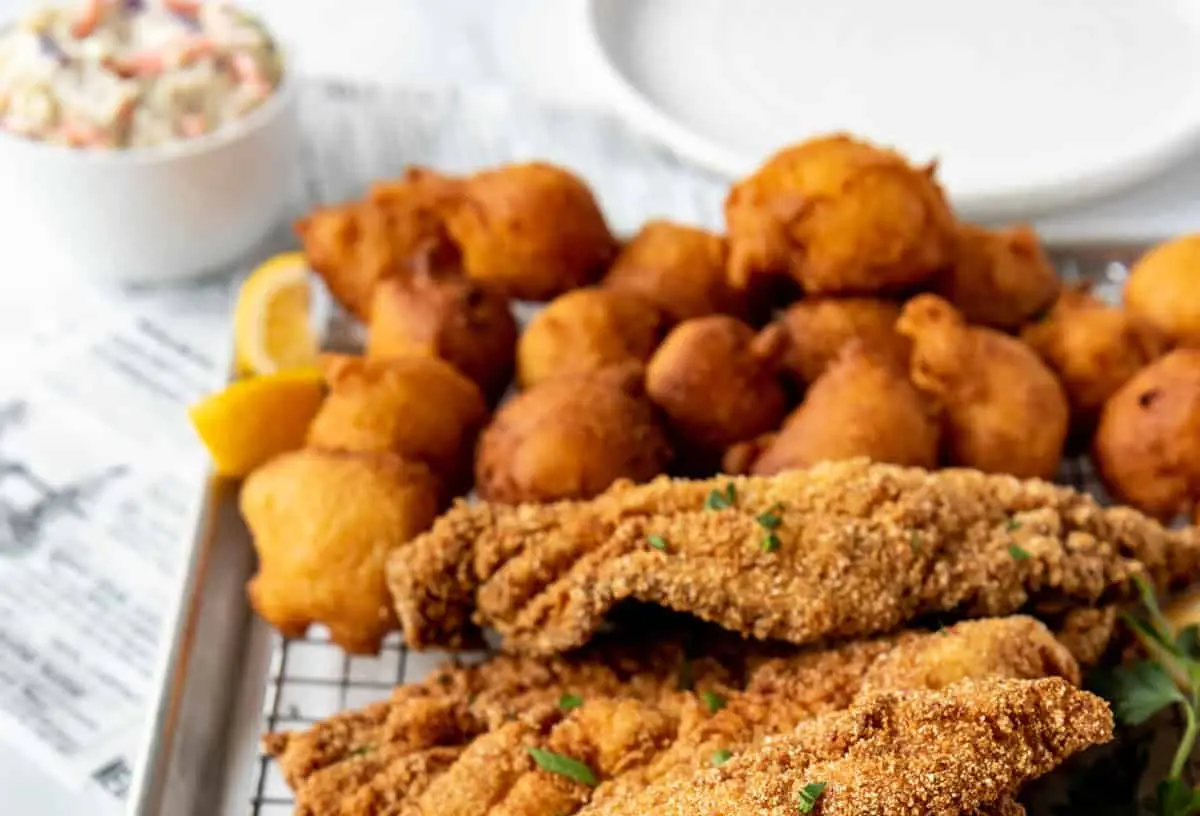
I remember my first attempt at frying catfish. I was so excited, dreaming of that golden-brown, crispy exterior and flaky, tender interior. What I got instead was a soggy, oil-logged mess that frankly tasted more like disappointment than dinner. It took a few more tries, and a lot of learning from my mistakes (and a few grandparent-coaching sessions), to finally nail that perfect fried catfish. If you’ve ever ended up with less-than-stellar results, you’re in the right place. We’re going to dive into the six most common blunders that stand between you and truly glorious fried catfish, ensuring your next batch is nothing short of restaurant-quality.
Why you’ll love this dish
Fried catfish is more than just a meal; it’s a culinary experience, bringing a taste of Southern comfort right to your table. If you’ve ever dreamt of serving up perfectly golden, incredibly crispy fish that’s juicy and tender inside, this guide is for you. We’re tackling those pesky issues that often turn a promising piece of fish into a soggy or bland disappointment. This isn’t just about frying fish; it’s about mastering the art of it, learning how to avoid the common traps that even seasoned home cooks fall into. Imagine serving a platter of perfectly cooked catfish, where every bite delivers that satisfying crunch followed by moist, flavorful fish – that’s what we’re aiming for here. It’s perfect for a casual Friday night dinner, a lively family gathering, or whenever you’re craving some serious comfort food.
> “I used to struggle so much with fried fish, always ending up with it either too greasy or just not crispy enough. Following these tips made such a difference – my catfish is finally perfect every time!” – A Satisfied Home Cook
The cooking process explained
Achieving that perfect fried catfish isn’t overly complicated, but it does involve a few critical steps that often get overlooked. First, it’s about proper preparation of your catfish fillets, ensuring they’re seasoned well and dried before hitting the dredge. Then comes the dredging itself, which is crucial for creating that crispy crust. The actual frying is where many mistakes can happen, specifically with oil temperature and crowding the pan. Finally, knowing how to properly drain and rest your fish after frying is key to maintaining that coveted crispiness. We’ll walk through each stage, pointing out the common pitfalls and how to easily sidestep them for a flawless result.
What you’ll need
Catfish:
- 4 (6-ounce) catfish fillets, patted very dry
For the Breading:
- 1 cup all-purpose flour
- 1/2 cup cornmeal (fine or medium grind)
- 2 tablespoons cornstarch (for extra crispiness)
- 1 tablespoon smoked paprika
- 1 teaspoon garlic powder
- 1 teaspoon onion powder
- 1 teaspoon dried oregano
- 1/2 teaspoon cayenne pepper (optional, for a little kick)
- 1 teaspoon salt
- 1/2 teaspoon black pepper
For Frying:
- 4-6 cups vegetable oil, peanut oil, or canola oil (enough to submerge fish by about 1 inch)
Directions to follow
- Prepare the Catfish: Pat the catfish fillets thoroughly dry with paper towels. This is a crucial step to ensure a crispy crust. Season both sides of the fillets lightly with a pinch of salt and pepper.
- Make the Breading: In a shallow dish (like a pie plate or baking dish), whisk together the flour, cornmeal, cornstarch, smoked paprika, garlic powder, onion powder, oregano, cayenne pepper (if using), salt, and black pepper until well combined.
- Dredge the Catfish: One by one, dredge each catfish fillet in the seasoned flour mixture. Press firmly to ensure the breading adheres well to all sides of the fish. Gently shake off any excess breading. Place the breaded fillets on a wire rack set over a baking sheet; this allows any excess moisture to evaporate and prevents the bottom from getting soggy.
- Heat the Oil: Pour the oil into a large, heavy-bottomed pan or Dutch oven. It should be deep enough to come up about 1 to 1.5 inches. Heat the oil over medium-high heat until it reaches 350-375°F (175-190°C). Use a deep-fry thermometer to monitor the temperature.
- Fry the Catfish: Carefully place 1-2 fillets into the hot oil, ensuring you don’t overcrowd the pan. Overcrowding will drop the oil temperature and lead to soggy fish. Fry for 4-6 minutes per side, or until golden brown and crispy, and the fish flakes easily with a fork. Adjust heat as needed to maintain the oil temperature within the desired range.
- Drain and Season: Using a slotted spoon or tongs, carefully remove the fried catfish from the oil. Place them on a clean wire rack set over paper towels to drain excess oil. Immediately sprinkle with a little extra salt while they are still hot.
- Serve: Let the fish rest for a few minutes before serving to allow the internal temperature to equalize. Serve hot.
Best ways to enjoy it
Fried catfish shines brightest when served fresh and hot, usually alongside classic Southern fixings. Think creamy coleslaw, a mound of cheesy grits, or golden-brown hush puppies. A squeeze of fresh lemon juice always adds a bright, zesty counterpoint to the richness of the fried fish. For a dipping sauce, tartar sauce is a timeless choice, but don’t shy away from a spicy remoulade or even a simple hot sauce for an extra kick. A side of perfectly cooked green beans or a fresh corn salad would round out the meal beautifully, creating a balanced and utterly satisfying plate.
The best way to save extras
Cooked fried catfish is best enjoyed immediately for maximum crispiness. However, if you have leftovers, allow them to cool completely before storing them. Place the catfish in an airtight container in the refrigerator for up to 2-3 days.
To reheat, avoid the microwave as it will make the fish soggy. The best way to regain some crispiness is to reheat it in a preheated oven at 350°F (175°C) for 10-15 minutes, or until heated through and crisp. An air fryer at 350°F (175°C) for 5-7 minutes also works wonderfully. Freezing fried catfish is not recommended, as it significantly compromises the texture and crispiness upon thawing and reheating.
Helpful cooking tips
- Don’t skip the cornstarch: Adding a couple of tablespoons of cornstarch to your breading mixture is a game-changer. It helps absorb extra moisture, leading to an incredibly crispy crust that holds up better.
- Use a thermometer: This is probably the most important tip. Maintaining a consistent oil temperature (350-375°F) is crucial. Too cool, and your fish will be greasy and soggy; too hot, and it will burn before cooking through.
- Don’t overcrowd the pan: Frying in batches is key. Giving the fish enough space prevents the oil temperature from dropping too drastically and allows the fillets to cook evenly and get beautifully crispy.
- Salt immediately: As soon as those golden-brown fillets come out of the oil, give them a light sprinkle of salt. It adheres best when the fish is hot and fresh, enhancing the flavor.
- Pat, pat, pat: Thoroughly patting the catfish fillets dry before dredging is non-negotiable. Any surface moisture will turn to steam, making your breading soggy instead of crispy.
Creative twists
While classic fried catfish is undeniably delicious, there are plenty of ways to play with the flavors and breading to keep things interesting.
- Spicy Kick: Amp up the heat by increasing the cayenne pepper in your breading, or add a pinch of smoked chipotle powder for a deeper, smokier spice. A dash of hot sauce in the dredge itself (if using a wet dredge before the dry) can also work wonders.
- Herbaceous Delight: Incorporate finely chopped fresh herbs like parsley, dill, or chives into your dry breading mixture for a brighter, fresher flavor profile.
- Cajun/Creole Style: Swap out some of the standard spices for a pre-made Cajun or Creole seasoning blend. Be mindful of the salt content in the blend and adjust accordingly.
- Cornflake Crust: For an ultra-crispy, almost cracker-like crust, crush some cornflakes and mix them into your cornmeal breading. This adds an extra layer of crunch that’s fantastic.
- Gluten-Free Option: For a gluten-free twist, use a blend of gluten-free flour, cornmeal, and cornstarch. The crispiness won’t be compromised if done right!
Common questions
How do I know when my catfish is cooked through?
The best indicator is a golden-brown and crispy exterior. Internally, the fish should flake easily with a fork and appear opaque white throughout. For absolute certainty, a meat thermometer inserted into the thickest part should register 145°F (63°C).
Can I use a different type of fish?
Absolutely! While these tips are optimized for catfish, you can apply them to other firm white fish fillets like cod, tilapia, or pollock. Just adjust frying times slightly based on the thickness of the fillets.
My fried catfish always turns out greasy. What am I doing wrong?
Greasy fried catfish is typically a result of oil that isn’t hot enough. When the oil temperature drops, the fish absorbs more oil rather than forming a crispy crust. Ensure your oil stays between 350-375°F (175-190°C) and avoid overcrowding the pan to maintain that temperature. Also, always drain the fish on a wire rack after frying, not directly on paper towels.
Southern Fried Catfish with Essential Seasonings
Equipment
- Paper Towels
- Small Bowl
- Shallow Dish
- Large, Heavy-Bottomed Skillet or Cast Iron Pan
- Wire Rack
- Baking Sheet
Ingredients
Main Ingredients
- 1.5 – 2 lbs Catfish Fillets fresh or thawed
- 1 cup Cornmeal fine or medium ground
- 1/2 cup All-Purpose Flour
- 1 tablespoon Smoked Paprika
- 1 tablespoon Garlic Powder
- 1/2 – 1 teaspoon Cayenne Pepper (or Black Pepper for mild)
- 1 teaspoon Salt or to taste
- 1/2 teaspoon Black Pepper
- 1 Egg large, beaten (optional, for a thicker crust)
- 1/4 cup Milk or Buttermilk (optional, with egg for dredging)
- Vegetable Oil or Peanut Oil Enough to fill skillet about 1 inch deep
Instructions
Preparation
- Pat catfish fillets dry with paper towels to ensure a crispy crust.
- Combine smoked paprika, garlic powder, salt, and black pepper in a small bowl, then rub this mixture generously over both sides of each catfish fillet.
- For a thicker crust: Whisk egg and milk/buttermilk in one shallow dish, then combine cornmeal, flour, and cayenne pepper in a second shallow dish. Dip seasoned fillets into the egg wash, then coat evenly in the cornmeal mixture.
- For a lighter crust: Dredge the seasoned fillets directly in the cornmeal mixture, gently pressing to coat.
Cooking
- Pour oil about 1 inch deep into a large, heavy-bottomed skillet and heat to 350-365°F (175-185°C) over medium-high heat.
- Carefully place 2-3 fillets into the hot oil, avoiding overcrowding, and fry for 3-5 minutes per side until golden brown, crispy, and cooked through.
- Remove fried catfish to a wire rack set over paper towels to drain excess oil.
- Repeat with remaining fillets, allowing oil to reheat between batches, then serve immediately with lemon or your favorite sides.