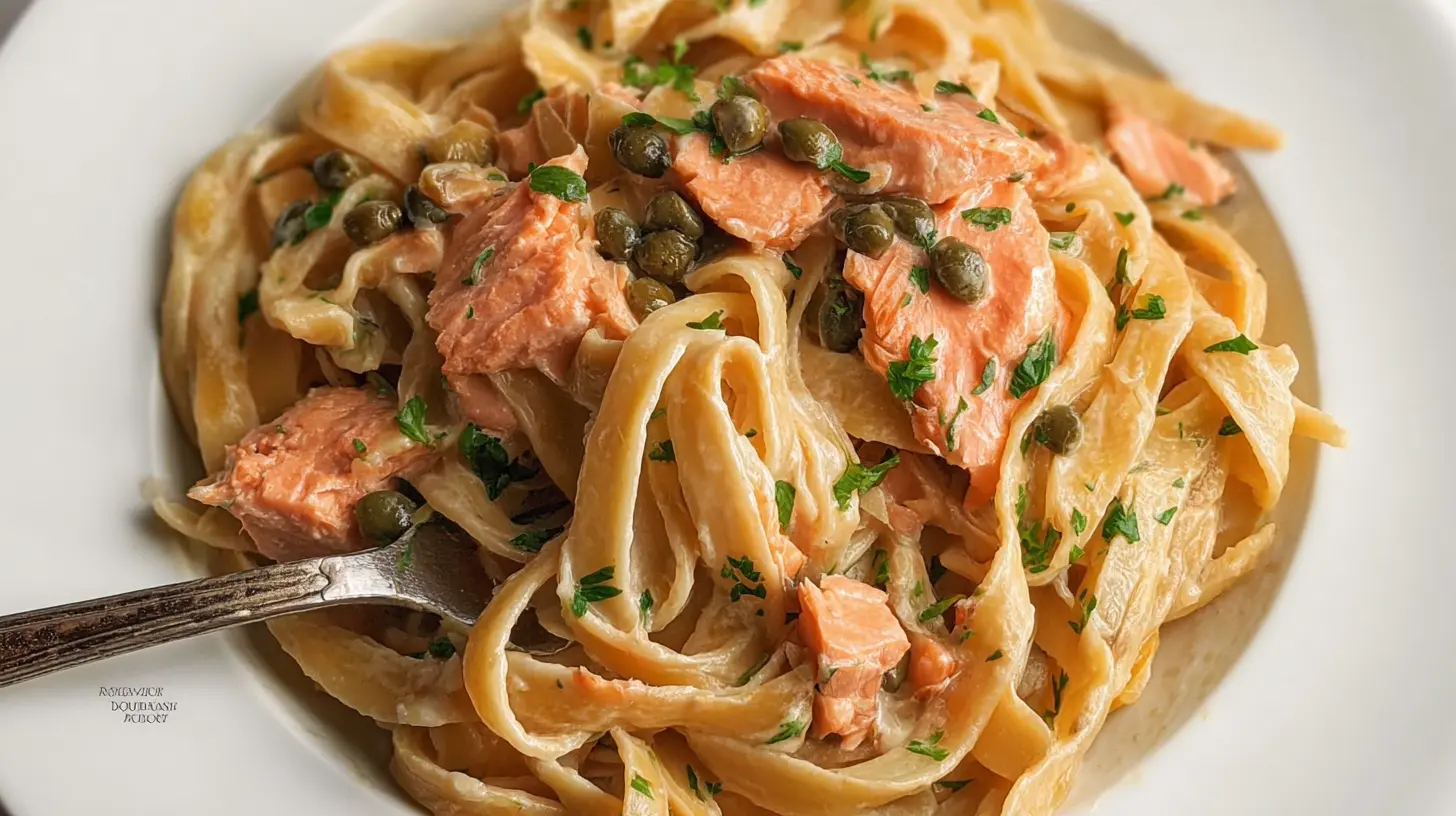
Salmon Pasta has been a lifesaver in my kitchen more times than I can count. Those evenings when time is short, but the family still expects something delicious and nutritious? That’s when a fantastic Salmon Pasta recipe truly shines. It’s the kind of dish that feels gourmet with minimal effort, bringing together the richness of salmon with the comforting embrace of pasta. Whether you’re a seasoned chef or just starting out, there’s a Salmon Pasta variation that will undoubtedly become a staple in your home.
Why You’ll Love This Dish
There’s a reason Salmon Pasta graces so many dinner tables – it truly ticks all the boxes! First off, it’s incredibly quick. Many recipes can be on your table in under 30 minutes, making it the perfect antidote to those busy weeknights when ordering takeout feels too tempting. Beyond speed, salmon offers a powerhouse of nutritional benefits, packed with Omega-3 fatty acids crucial for heart health and brain function, making this a meal you can feel good about serving. And let’s be honest, it’s just plain delicious! The flaky, tender salmon pairs beautifully with a myriad of sauces and pasta shapes, offering endless delicious possibilities. It’s also surprisingly versatile; from creamy indulgence to zesty Mediterranean vibes, there’s a salmon pasta for every palate and occasion.
> “I never thought I’d get my kids to eat fish, but this Salmon Pasta recipe was a game-changer! It’s so creamy and flavorful, even my pickiest eater asks for seconds!” – A happy parent
The Cooking Process Explained
Making Salmon Pasta is generally a straightforward affair, usually involving a few key steps. First, you’ll want to get your pasta cooking – al dente is always the goal! While the pasta simmers, you’ll prepare your salmon, which often means seasoning and pan-searing, baking, or occasionally poaching it until it’s beautifully flaky. Simultaneously, you’ll build your sauce. This could be a quick garlic and olive oil base, a rich cream sauce, or a refreshing lemon and herb concoction. Finally, everything comes together in one glorious pan – the cooked pasta, the sauce, and the flaked salmon, often tossed with fresh herbs or vegetables for a burst of color and flavor. It’s an assembly line of deliciousness!
What You’ll Need
To whip up a delightful Salmon Pasta, here’s a general list of items you’ll typically gather. Remember, specific recipes might call for slight variations!
- Salmon Fillets: About 1.5 lbs, skin on or off, depending on preference.
- Pasta: 1 lb of your favorite shape – spaghetti, penne, fettuccine, or farfalle work wonderfully.
- Olive Oil: A good quality extra virgin olive oil for cooking and finishing.
- Garlic: 3-4 cloves, minced or thinly sliced.
- Onion/Shallots: 1 small onion or 2 shallots, finely diced, for aromatic depth.
- Cream/Milk (Optional): Heavy cream, half-and-half, or even a dairy-free alternative for creamy sauces.
- Broth: Chicken or vegetable broth (about 1 cup) adds flavor and helps create the sauce.
- Lemon: 1-2 lemons for zest and juice, providing brightness.
- Fresh Herbs: Dill, parsley, chives, or basil are excellent choices for salmon.
- Parmesan Cheese: Freshly grated for serving (optional, but highly recommended!).
- Salt & Black Pepper: To taste.
- Red Pepper Flakes (Optional): For a little kick.
- Spinach or Cherry Tomatoes (Optional): For added veg and color.
Directions to Follow
Here’s a general roadmap for preparing many Salmon Pasta dishes. Always refer to your specific recipe for precise measurements and timings.
- Cook the Pasta: Bring a large pot of salted water to a rolling boil. Add your chosen pasta and cook according to package directions until al dente. Reserve about 1 cup of pasta water before draining.
- Prepare the Salmon: While the pasta cooks, season your salmon fillets generously with salt and pepper. Heat a tablespoon of olive oil in a large skillet over medium-high heat. Place salmon skin-side down (if applicable) and cook for 4-6 minutes per side, or until cooked through and easily flakes with a fork. Remove from skillet, let cool slightly, then flake into bite-sized pieces, discarding any skin.
- Build the Sauce: In the same skillet (add a little more oil if needed), sauté minced garlic and diced onion/shallots over medium heat until fragrant and softened, about 2-3 minutes.
- Deglaze and Add Liquid: If using, add a splash of white wine to deglaze the pan. Then, pour in your broth, any cream, and lemon juice. Bring to a gentle simmer, stirring to combine. Season with salt, pepper, and lemon zest.
- Combine Everything: Add the drained pasta to the skillet with the sauce. Toss well, adding a splash of the reserved pasta water if the sauce seems too thick. Gently fold in the flaked salmon, fresh herbs, and any optional vegetables like spinach or cherry tomatoes.
- Serve: Taste and adjust seasoning. Serve immediately, garnished with extra fresh herbs and a generous sprinkle of Parmesan cheese.
What to Serve It With
Salmon Pasta is often a complete meal in itself, but pairing it with a simple side can elevate the experience. Think light and fresh! A crisp green salad with a vinaigrette dressing is always a winner; its acidity cuts through the richness of the pasta beautifully. A side of perfectly steamed or roasted asparagus or broccoli florets adds a lovely crunch and extra nutrients without overwhelming the main dish. For something a little more indulgent, some crusty garlic bread or a warm focaccia is perfect for soaking up any leftover sauce.
Keeping Leftovers Fresh
Storing your Salmon Pasta correctly ensures you can enjoy it again without compromising taste or safety. Once cooled to room temperature (within two hours of cooking), transfer any leftovers to an airtight container. It will keep well in the refrigerator for up to 2-3 days. When reheating, I recommend doing so gently on the stovetop over low heat, adding a splash of broth or water to loosen the sauce and prevent the pasta from drying out. A quick microwave reheat is also fine, but stir it frequently for even heating. Freezing Salmon Pasta is generally not recommended as the texture of both the salmon and pasta can become mushy upon thawing.
Helpful Cooking Tips
- Don’t Overcook the Salmon: This is crucial! Salmon cooks quickly and can dry out if left on the heat for too long. Aim for just cooked through so it remains moist and flaky.
- Al Dente Pasta is Key: Slightly undercooked pasta (al dente) will absorb the sauce better and won’t turn mushy.
- Reserve Pasta Water: This starchy water is liquid gold! It helps emulsify your sauce, making it silky smooth and ensuring it clings beautifully to the pasta.
- Fresh Herbs Make a Difference: Don’t skimp on fresh dill, parsley, or chives. They provide a bright, fresh contrast to the richness of the salmon and sauce.
- Taste as You Go: Always taste your sauce before combining everything. Adjust salt, pepper, and lemon to your liking.
Different Ways to Try It
The beauty of Salmon Pasta lies in its adaptability!
- Creamy Lemon Dill: This classic combines heavy cream, fresh dill, and a generous squeeze of lemon for a bright yet comforting dish.
- Tomato Basil Zest: Swap the cream for a cherry tomato base, simmered with garlic, basil, and a touch of white wine.
- Pesto Perfection: Toss cooked pasta and flaked salmon with a vibrant store-bought or homemade pesto, maybe with some sun-dried tomatoes.
- Mediterranean Twist: Add Kalamata olives, artichoke hearts, and feta cheese to a lemon-garlic sauce for a taste of the Mediterranean.
- Spicy Garlic Shrimp & Salmon: For an extra protein punch and a kick, add some pan-seared shrimp along with the salmon, and a pinch of red pepper flakes to your garlic sauce.
- Smoked Salmon Delight: For a quicker no-cook salmon option, fold in finely chopped smoked salmon at the very end to a creamy sauce.
- Roasted Vegetable Medley: Roast bell peppers, zucchini, and onions alongside your salmon, then toss everything with pasta for a wholesome meal.
- Asian-Inspired Ginger Soy: Flake baked salmon into a sauce made with soy sauce, ginger, garlic, a touch of sesame oil, and serve with linguine and chopped scallions.
Common Questions
Can I use frozen salmon for this recipe?
A: Absolutely! Just ensure it’s fully thawed before you start cooking. Pat it very dry with paper towels to get a good sear.
What if I don’t have fresh herbs?
A: Dried herbs can work in a pinch, but use them sparingly as their flavor is more concentrated. About 1/3 of the amount of fresh herbs is a good starting point. However, fresh herbs really elevate this dish, so if you can, grab them!
Is Salmon Pasta healthy?
A: Yes, it can be very healthy! Salmon is rich in Omega-3s. To keep it lighter, opt for whole wheat pasta, use less cream or a milk-based sauce, and load up on vegetables like spinach or cherry tomatoes.
Can I make this gluten-free?
A: Definitely! Simply substitute regular pasta with your favorite gluten-free pasta option. Most sauces are naturally gluten-free, but always check labels if using store-bought broths or creams.
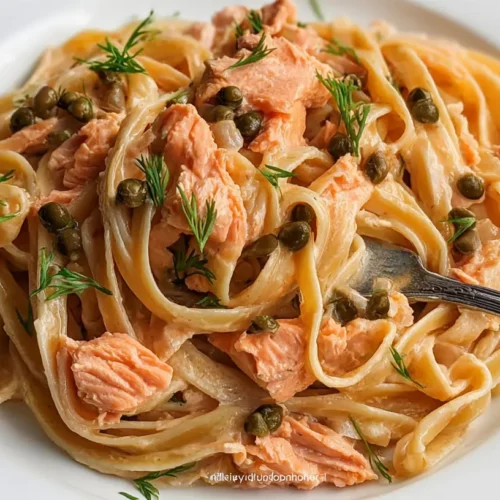
Creamy Lemon-Dill Salmon Pasta
Equipment
- Large Skillet
- Large Pot
Ingredients
Main Ingredients
- 1-1.5 lbs Salmon Fillets skin on or off
- 1 lb Fettuccine or Linguine
- 2 tbsp Olive Oil
- 3-4 cloves Garlic minced
- 1 small Onion or Shallots finely chopped
- 1/2 cup White Wine optional
- 1 cup Heavy Cream
- 1/2 cup Fresh Dill finely chopped
- 1-2 Lemons for juice and zest
- Salt and Black Pepper to taste
- Freshly grated Parmesan Cheese for serving (optional)
Instructions
Cooking Steps
- Pat the salmon fillets dry, season with salt and pepper, then cook in a large skillet with olive oil over medium-high heat for 4-6 minutes per side until flaky. Remove salmon, let cool, then flake into bite-sized pieces and set aside.
- Bring a large pot of salted water to a boil, cook pasta according to package directions, then reserve 1-1.5 cups of pasta water before draining.
- In the same skillet, add more olive oil and sauté chopped onion or shallots for 3-5 minutes until softened. Add minced garlic and cook for another minute until fragrant.
- If using, deglaze the pan with white wine, simmering for 2-3 minutes until mostly evaporated, scraping up any browned bits.
- Stir in the heavy cream and bring to a gentle simmer. Reduce heat to low, let it thicken for 2-3 minutes, then stir in fresh dill, lemon zest, and half a lemon’s juice.
- Add the cooked pasta to the skillet with the sauce and toss well, adding reserved pasta water if needed for desired consistency. Gently fold in the flaked salmon, then taste and adjust seasoning with salt, pepper, and more lemon juice.
- Divide the pasta among plates, garnish with extra fresh dill, a drizzle of olive oil, and Parmesan cheese if desired.