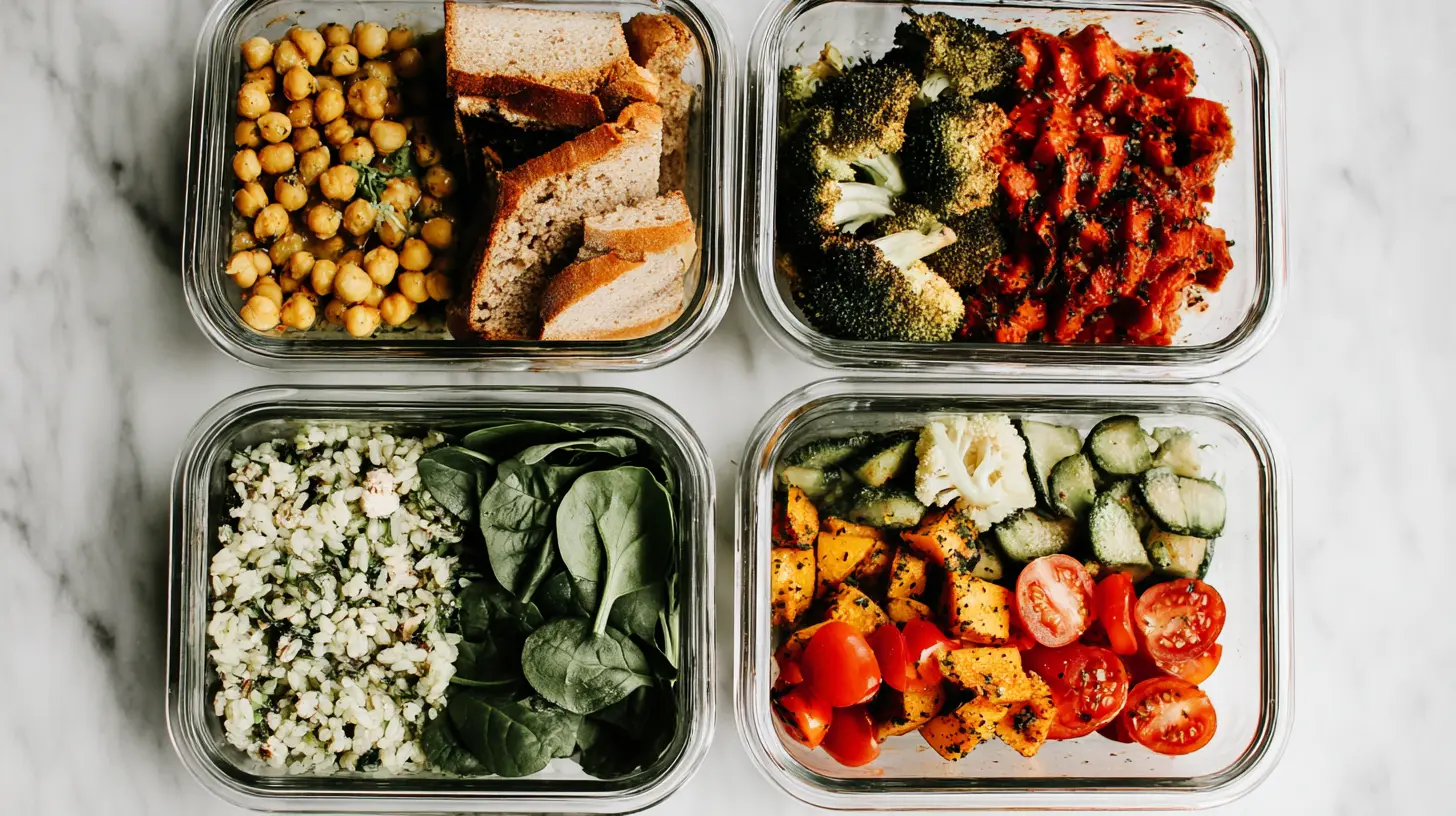
The aroma of freshly cooked meals filling your kitchen, knowing your week’s lunches and dinners are sorted, used to feel like an impossible dream for me. Between work, errands, and a social life, finding time to consistently cook healthy vegan meals sounded more like a fantasy than reality. That is, until I cracked the code of vegan meal prep. It’s not about slaving away in the kitchen for an entire Sunday; it’s about smart planning, efficient cooking, and delicious results. This guide is your ticket to transforming that fantasy into your everyday reality, in just three straightforward steps.
What makes this recipe special?
Let’s face it, life gets busy. The thought of cooking a nutritious, plant-based meal from scratch every single day can be daunting. That’s where vegan meal prep swoops in like a culinary superhero. This ‘recipe’ isn’t just about one dish; it’s about a lifestyle shift that saves you time, money, and stress. You’ll love the feeling of opening your fridge to a rainbow of prepped ingredients or ready-to-eat meals, making healthy choices a no-brainer. It’s truly a game-changer for anyone looking to embrace plant-based eating without feeling overwhelmed.
> “I used to dread lunch breaks because my options were either expensive takeout or sad desk salads. Since I started following these vegan meal prep steps, I’ve saved a ton of money and actually look forward to my delicious, homemade meals. It’s simple, effective, and totally worth the effort!” – A Happy Meal Prepper
How this recipe comes together
Think of vegan meal prep as a well-orchestrated culinary dance. It begins with a bit of planning – deciding what you want to eat and ensuring you have all the necessary ingredients. Then comes the focused cooking session, where you efficiently prepare multiple components or complete dishes. Finally, it’s all about smart storage, packaging your creations so they stay fresh and ready to enjoy throughout the week. It’s a cyclical process that, once mastered, will bring immense calm and delicious food into your life.
Key ingredients
While there isn’t a traditional list of “ingredients” for a meal prep method, the core components you’ll need are:
- A well-stocked pantry: Staples like grains (quinoa, rice, oats), pasta, canned beans/lentils, spices, and cooking oils.
- Fresh produce: A variety of colorful vegetables and fruits that inspire your weekly menu.
- Protein sources: Tofu, tempeh, seitan, plant-based ground, or more beans and lentils.
- Quality containers: Airtight, microwave-safe containers of various sizes are crucial for storage. Glass is often preferred for durability and safety.
- Basic kitchen tools: Cutting board, sharp knives, pots, pans, baking sheets, and perhaps a food processor or blender.
- A little planning time: Dedicate 15-30 minutes to mapping out your meals for the week.
Directions to follow
Here’s your 3-step guide to mastering vegan meal prep:
Step 1: Plan Your Meals & Grocery List
- Brainstorm: Think about your favorite vegan meals or search for new recipes. Consider what you enjoy eating throughout the week.
- Theme it: Sometimes it helps to pick a theme (e.g., “Mexican bowls,” “Mediterranean wraps”) to streamline ingredients.
- Component Prep vs. Full Meals: Decide if you’ll be prepping individual components (e.g., roasted veggies, cooked grains, sauces) to assemble later, or entire ready-to-eat meals. A mix of both often works best.
- Check Your Pantry: Before buying, see what you already have. This saves money and prevents waste.
- Create Your List: Write down every ingredient you need, organized by store section if possible.
Step 2: Cook & Prep Efficiently
- Set Aside Time: Dedicate 2-3 hours on a weekend or a free evening.
- Prioritize Tasks: Start with items that take the longest (e.g., baking sweet potatoes, cooking grains).
- Multitask Smartly: While grains are simmering, chop vegetables or press tofu. Roast veggies and bake potatoes at the same time.
- Cook in Batches: Make a large batch of grains, roast several trays of vegetables, cook a big pot of chili, or prepare a versatile sauce.
- Season Generously: Don’t be afraid to use spices and herbs; they are key to flavorful vegan food.
Step 3: Portion & Store Properly
- Cool First: Allow all cooked food to cool completely before portioning and sealing. This prevents condensation and keeps food fresher longer.
- Portion Thoughtfully: Divide meals into individual servings. If prepping components, store them separately.
- Use Airtight Containers: This is critical for freshness and preventing leaks. Label containers with the date and contents.
- Refrigerate Promptly: Place prepped meals in the refrigerator within two hours of cooking.
- Consider Freezing: If you’ve made a very large batch of something like soup, stew, or chili, freeze portions for later in the week or month.
What to serve it with
The beauty of vegan meal prep is that what you “serve” it with is often already included in your prepped meals! However, you can always elevate your prepped dishes:
- Fresh Garnishes: A sprinkle of fresh herbs (cilantro, parsley), a squeeze of lime, or a dollop of vegan sour cream can brighten up any prepped meal just before serving.
- Quick Additions: Keep some fresh greens (spinach, arugula) on hand to toss into bowls, or quickly sautéed mushrooms for added texture.
- Nutrient Boosts: Add a sprinkle of nutritional yeast for a cheesy flavor, or a handful of hemp seeds for extra protein and healthy fats.
- Sauces & Dressings: Prep a versatile sauce or dressing (tahini dressing, lemon-herb vinaigrette) separately to add freshness and moisture just before eating.
How to store & freeze
Proper storage is the backbone of successful vegan meal prep.
- Refrigeration: Most prepped vegan meals, stored in airtight containers, will last for 3-5 days in the refrigerator. This includes cooked grains, roasted vegetables, cooked legumes, and assembled salads (with dressing stored separately).
- Freezing: For longer storage, many vegan dishes freeze beautifully. Soups, stews, chilis, curries, cooked grains, casseroles, and even some baked goods can be frozen for up to 2-3 months.
- To Freeze: Allow food to cool completely. Transfer to freezer-safe airtight containers or heavy-duty freezer bags (remove as much air as possible). Label with the date and contents.
- To Reheat: Thaw frozen meals overnight in the refrigerator if possible, then reheat thoroughly on the stovetop or in the microwave until steaming hot. Always ensure food reaches an internal temperature of 165°F (74°C) for safety.
- Food Safety: Always cool hot food quickly before refrigerating or freezing to prevent bacterial growth. Divide large batches into smaller containers to speed up cooling. Never leave cooked food at room temperature for more than two hours.
Helpful cooking tips
- Invest in Good Containers: Seriously, it makes a huge difference. Glass containers are excellent because they are non-toxic, don’t stain or retain odors, and can go from fridge to microwave or oven (without lids).
- Batch Cook Staples: Make huge batches of quinoa, brown rice, or lentils. These form the base of many meals.
- Roast Veggies in Bulk: Chop a variety of root vegetables (sweet potatoes, carrots) and hardy greens (broccoli, cauliflower), toss with oil and seasonings, and roast them all at once.
- Prep Components, Not Just Full Meals: Sometimes it’s easier to have a container of cooked chickpeas, another of roasted veggies, a jar of dressing, and a bag of spinach. You can then mix and match throughout the week.
- Don’t Forget Flavor: Vegan food should never be bland! Use plenty of herbs, spices, garlic, onions, and healthy fats. Season food generously.
- Start Small: Don’t try to prep every single meal for the entire week on your first go. Start by prepping lunches, or just dinner components, and gradually expand as you get comfortable.
Creative twists
One of the most exciting aspects of meal prepping is the endless possibilities for customization and flavor variations.
- Global Flavors: Turn a basic quinoa and roasted veggie base into a Mexican bowl with salsa, black beans, and avocado; a Mediterranean bowl with hummus, olives, and sundried tomatoes; or an Asian-inspired bowl with a peanut sauce, edamame, and sesame seeds.
- Protein Power-Ups: Instead of just beans, try prepping marinaded baked tofu, simple tempeh crumbles, or a batch of spiced lentils to add different textures and protein profiles to your meals.
- Salad Jars: Layer your salad ingredients in mason jars for a vibrant and fresh option. Put dressing at the bottom, then hard veggies (carrots, bell peppers), grains, legumes, greens, and nuts/seeds on top to keep them from getting soggy.
- Breakfast Solutions: Meal prep isn’t just for lunch and dinner! Overnight oats, chia puddings, and pre-portioned smoothie packs are fantastic ways to ensure healthy vegan breakfasts throughout the week.
Common questions
How long does vegan meal prep usually take?
The time commitment can vary, but typically, a solid meal prep session for 3-5 days of meals takes anywhere from 2 to 4 hours. This includes planning, cooking, and portioning. As you get more experienced, you’ll become more efficient!
Do I need special equipment for vegan meal prep?
While not strictly required, good quality, airtight containers (preferably glass), a sharp set of knives, and a reliable cutting board are highly recommended. A food processor or blender can significantly speed up tasks like chopping vegetables or making sauces.
What are some good beginner-friendly vegan meal prep ideas?
For beginners, focus on simple, versatile components. Some great starting points include:
- Cooked Grains: Brown rice, quinoa, or farro.
- Roasted Vegetables: Broccoli, cauliflower, bell peppers, sweet potatoes, carrots.
- Cooked Legumes: Lentils, chickpeas, black beans.
- Simple Protein: Baked tofu or tempeh.
- You can then mix and match these components with a quick sauce or dressing to create different meals throughout the week!
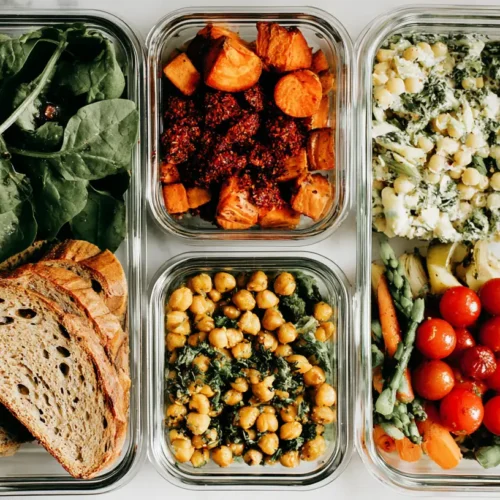
Speedy Quinoa & Roasted Veggie Power Bowls
Equipment
- Small pot
- Large bowl
- Large baking sheet
- Small bowl
- Whisk
- Meal prep containers
Ingredients
Main Ingredients
- 1 cup quinoa
- 2 cups vegetable broth (or water)
- 1 large, peeled and diced sweet potato
- 1 head, cut into florets broccoli
- 1 chopped bell pepper
- 1 roughly chopped onion
- 2 tbsp olive oil
- 1 tsp smoked paprika
- 1/2 tsp garlic powder
- Salt and black pepper to taste
- 1 15-oz can, rinsed and drained black beans
- 1/4 cup, chopped, for garnish, optional fresh cilantro
For the Dressing
- 1/4 cup tahini
- 2 tbsp lemon juice
- 1 tbsp soy sauce or tamari
- 1 tsp, optional maple syrup
- 2-3 tbsp, to thin water
Instructions
The Bowls
- Rinse quinoa, then combine with broth in a pot, bring to a boil, cover, and simmer for 15 minutes.
- Remove from heat, let sit covered for 5 minutes, then fluff with a fork.
- Preheat oven to 400°F (200°C) and toss diced sweet potato, broccoli, bell pepper, and onion with olive oil and seasonings.
- Spread vegetables on a baking sheet and roast for 20-25 minutes until tender and caramelized, flipping halfway through.
The Dressing
- While vegetables roast, whisk tahini, lemon juice, soy sauce, and maple syrup (if using) in a small bowl.
- Gradually add water until the dressing is smooth and pourable.
Assemble & Serve
- Divide cooked quinoa, roasted vegetables, and black beans among four meal prep containers.
- Allow bowls to cool completely before sealing and storing; store dressing separately or drizzle before serving.
- Reheat bowls in the microwave if desired, then drizzle with tahini dressing and garnish with cilantro.