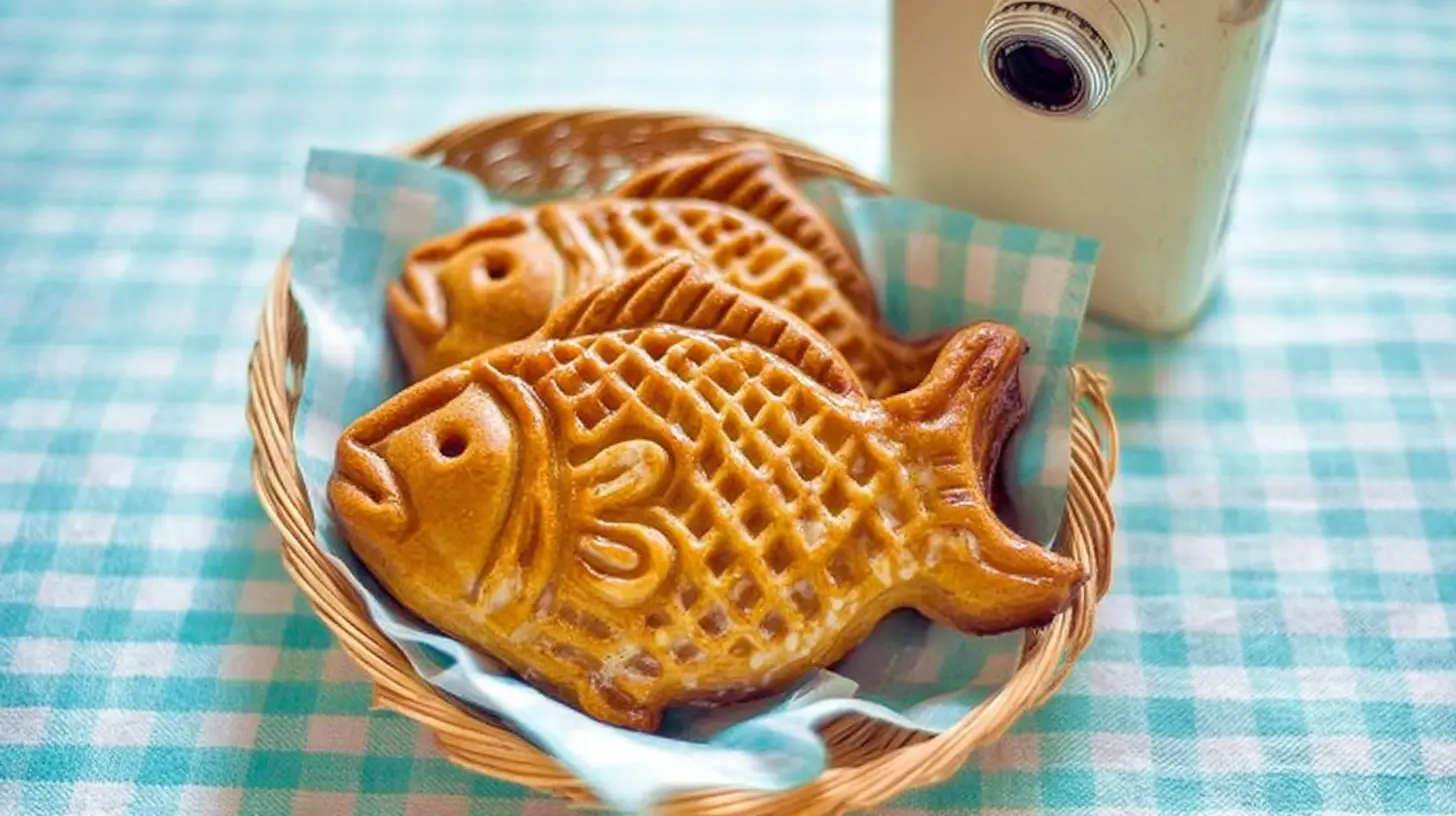
The first time I encountered a Fish-shaped Cake, it wasn’t swimming on a platter but rather peeking out from a bustling bakery window in a vibrant Asian market. Its charming, lifelike form immediately caught my eye, promising a delightful surprise with every bite. If you’ve ever been captivated by these adorable treats and wondered how to bring that same magic into your kitchen, you’re in the right place. We’re about to dive into the sweet secrets behind crafting your very own perfect Fish-shaped Cake, transforming a simple dessert into an artful indulgence.
Why You’ll Love This Dish
There’s something inherently joyful about a Fish-shaped Cake. It’s not just a dessert; it’s an experience, a conversation starter, and a moment of whimsy. You’ll adore making this dish because it offers a delightful escape from the everyday, providing a unique baking project that’s both fun and rewarding. Beyond its charming appearance, these cakes are incredibly versatile in flavor, allowing you to customize fillings to suit any palate, from classic sweet red bean paste to rich chocolate or fruity custards. They’re perfect for surprising guests, celebrating special occasions, or simply adding a touch of playful elegance to your afternoon tea.
> “I thought making fish-shaped cakes would be complicated, but these tips made it so easy! My kids absolutely loved helping, and the end result was not just delicious but incredibly cute. It’s now our go-to for unique homemade treats!” – A Happy Home Baker
How This Recipe Comes Together
Creating these delightful Fish-shaped Cakes might seem intricate, but the process is quite straightforward once you break it down. You’ll begin by preparing a simple, slightly sweet batter that’s similar to pancake batter but with a bit more structure. This batter is then poured into a specialized fish-shaped mold, usually made of cast iron or electric, and cooked until golden brown. The magic truly happens when you add your chosen filling – a delicious surprise nestled within the cake’s soft, warm interior. It’s a quick cooking process, often taking just a few minutes per cake, making it surprisingly accessible even for beginner bakers.
What You’ll Need
Ingredient list
- 1 ½ cups all-purpose flour: The base for our tender cake.
- 2 tablespoons granulated sugar: Just enough sweetness for the batter.
- 1 teaspoon baking powder: To give our cakes a light, airy texture.
- ½ teaspoon salt: Balances the flavors and enhances the sweetness.
- 1 large egg: Acts as a binder and adds richness.
- 1 ¼ cups milk: Provides moisture and helps create the right batter consistency.
- 2 tablespoons melted unsalted butter (plus extra for greasing): Adds flavor and helps with browning. You can also use a neutral oil.
- 1 teaspoon vanilla extract (optional): For an extra layer of fragrant sweetness.
- 1 ½ cups prepared filling: (e.g., sweet red bean paste, custard, chocolate spread, fruit jam). This is where the real fun begins!
Directions to Follow
- Whisk Dry Ingredients: In a large bowl, combine the all-purpose flour, granulated sugar, baking powder, and salt. Whisk everything together until well combined and no lumps remain.
- Combine Wet Ingredients: In a separate medium bowl, whisk together the egg, milk, melted butter, and vanilla extract (if using).
- Mix Batter: Gradually pour the wet ingredients into the dry ingredients, whisking continuously until a smooth batter forms. Be careful not to overmix; a few small lumps are perfectly fine. Let the batter rest for 10-15 minutes at room temperature. This allows the gluten to relax, resulting in a more tender cake.
- Preheat and Grease Mold: Heat your fish-shaped cake mold (tai-yaki pan) over medium heat, or plug in your electric maker, following the manufacturer’s instructions. Lightly brush the inside of both mold halves with melted butter or oil.
- Pour Batter: Once the mold is hot, pour a small amount of batter into one side of each fish cavity, just enough to cover the bottom.
- Add Filling: Spoon about 1-2 tablespoons of your chosen filling into the center of the batter-filled cavity. Don’t overfill, or it will spill out.
- Top with Batter: Carefully pour a little more batter over the filling, ensuring it covers the filling and reaches the edges of the mold.
- Close and Cook: Close the mold securely. If using a stovetop mold, cook for 2-3 minutes per side, flipping the mold halfway through, until the cake is golden brown and cooked through. For electric makers, cook according to the device’s instructions, typically until the “ready” light signals or the cake is beautifully browned.
- Remove and Cool: Carefully open the mold and gently remove the cooked Fish-shaped Cake using tongs or a small spatula. Place on a wire rack to cool slightly before serving.
- Repeat: Continue with the remaining batter and filling until all your delicious fish cakes are made!
How to Serve It
These charming Fish-shaped Cakes are best enjoyed warm, right off the mold, when their outer shell is slightly crisp and the filling is wonderfully gooey. They make a fantastic dessert or a delightful snack with a cup of tea or coffee. For an extra special touch, you can dust them lightly with powdered sugar, drizzle with a little chocolate syrup, or serve them alongside a scoop of vanilla ice cream. They’re also perfect for bento boxes or as a playful treat at children’s parties.
Keeping Leftovers Fresh
If you happen to have any leftover Fish-shaped Cakes (a rare occurrence, I assure you!), they can be stored in an airtight container at room temperature for up to 2 days. For longer storage, refrigerate them for up to 4 days. When you’re ready to enjoy them again, I recommend reheating them in a toaster oven, air fryer, or a dry pan over low heat for a few minutes until warmed through and slightly crispy again. This helps revive their texture and brings back that freshly baked feel. Freezing is also an option; wrap individual cakes tightly in plastic wrap and then aluminum foil, and they’ll keep for up to 1 month. Thaw at room temperature and reheat as directed above.
Helpful Cooking Tips
- Don’t Overmix the Batter: Overmixing develops the gluten too much, leading to tougher cakes. Mix just until combined for a tender result.
- Batter Consistency is Key: If your batter seems too thick, add a tablespoon of milk at a time until it’s pourable but still coats the back of a spoon. If it’s too thin, add a teaspoon of flour.
- Preheat the Mold Well: A properly preheated mold is crucial for even browning and preventing the cake from sticking.
- Grease Lightly and Evenly: Too much oil can make the cakes greasy; too little and they’ll stick. A thin, even coating works best.
- Mind the Filling: Don’t overfill the cakes. It’s better to use a little less filling than too much, as it can spill out and make the mold messy.
- Patience with Flipping (Stovetop): If using a stovetop mold, wait until the edges start to set and bubble before attempting to flip to prevent the cake from breaking apart.
Creative Twists
The beauty of the Fish-shaped Cake lies in its adaptability!
- Savory Surprises: While traditionally sweet, these cakes can easily go savory. Imagine fillings like shredded cheese and ham, a spoonful of pizza sauce with mozzarella, or even a spiced potato mixture.
- Fruity & Fresh: Instead of jam, try fresh fruit pieces like diced apples or berries, perhaps mixed with a little cream cheese for a cheesecake-like surprise.
- Chocolate Indulgence: Beyond simple chocolate spread, consider adding mini chocolate chips to the batter or using a custard filling infused with cocoa powder.
- Matcha Magic: Incorporate matcha powder into the batter for a subtle green tea flavor and color, pairing it beautifully with red bean paste.
- Nutty Delights: A finely ground nut paste (like almond or peanut) sweetened with a touch of honey makes for a rich and satisfying filling.
Common Questions
Q: Do I need a special mold to make Fish-shaped Cakes?
A: Yes, these cakes specifically require a fish-shaped pan, often called a tai-yaki maker (Japanese) or bungeoppang maker (Korean). They come in stovetop cast iron versions or electric countertop appliances.
Q: Can I prepare the batter ahead of time?
A: You can prepare the batter up to 12 hours in advance and store it, covered, in the refrigerator. Give it a good whisk before using, and you might need to add a splash more milk if it has thickened too much.
Q: My cakes are sticking to the mold. What am I doing wrong?
A: This usually happens if the mold isn’t properly greased, not hot enough, or if you’re trying to remove the cakes too soon. Ensure it’s well-oiled, thoroughly preheated, and cook the cakes until they are nicely golden brown before attempting to remove them.
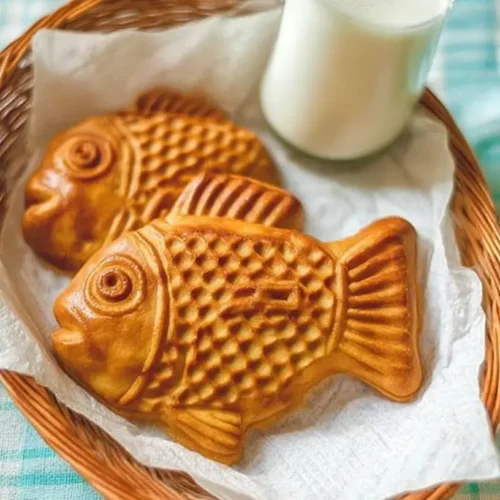
Playful Vanilla Fish-shaped Cake
Equipment
- 9×13 inch baking pan
- parchment paper
- large bowls
- whisk
- electric mixer
- wire rack
- sharp knife
- cutting board
- serving platter
- spatula
Ingredients
For the Cake:
- 1 ½ cups unsalted butter, softened
- 2 ½ cups granulated sugar
- 4 large eggs, at room temperature
- 1 tablespoon vanilla extract
- 3 cups all-purpose flour
- 1 tablespoon baking powder
- ½ teaspoon salt
- 1 cup whole milk, at room temperature
For the Buttercream Frosting:
- 1 cup unsalted butter, softened
- 4-5 cups powdered sugar, sifted
- 2 teaspoons vanilla extract
- 3-5 tablespoons whole milk or heavy cream
- 1 Gel food coloring (blue, green, yellow, orange – or your preferred fish colors)
Decorations:
- Round chocolate candies (for eyes)
- Assorted sprinkles, edible glitter, or small candies (for scales and fins)
Instructions
Baking the Cake
- Preheat your oven to 350°F (175°C) and prepare a 9×13 inch baking pan by greasing, flouring, and lining the bottom with parchment paper.
- Cream together the softened butter and granulated sugar in a large bowl until the mixture is light and fluffy.
- Beat in the eggs one at a time, ensuring each is fully incorporated, then stir in the vanilla extract.
- In a separate bowl, whisk together the flour, baking powder, and salt.
- Gradually add the dry ingredients to the wet ingredients, alternating with milk, mixing on low speed until just combined.
- Pour the batter into the prepared pan and bake for 30-35 minutes, or until a wooden skewer comes out clean.
- Allow the cake to cool in the pan for 10-15 minutes before inverting onto a wire rack to cool completely.
Making the Frosting and Decorating
- In a large bowl, beat the softened butter until creamy, then gradually add sifted powdered sugar and milk/cream until the desired consistency is reached, and beat in the vanilla extract.
- Once the cake is fully cooled, place it on a cutting board and cut a diagonal wedge from one corner to form the tail; remove the wedge.
- Transfer the main cake body to a serving platter and position the removed wedge at the back to form the tail, trimming if necessary.
- Apply a thin crumb coat of buttercream over the entire fish shape and chill for 15-20 minutes.
- Divide the remaining buttercream, color with gel food coloring, and frost the fish, getting creative with colors for fins, scales, and patterns.
- Decorate with round chocolate candies for eyes and use sprinkles, edible glitter, or other candies for scales, lips, and fin details.