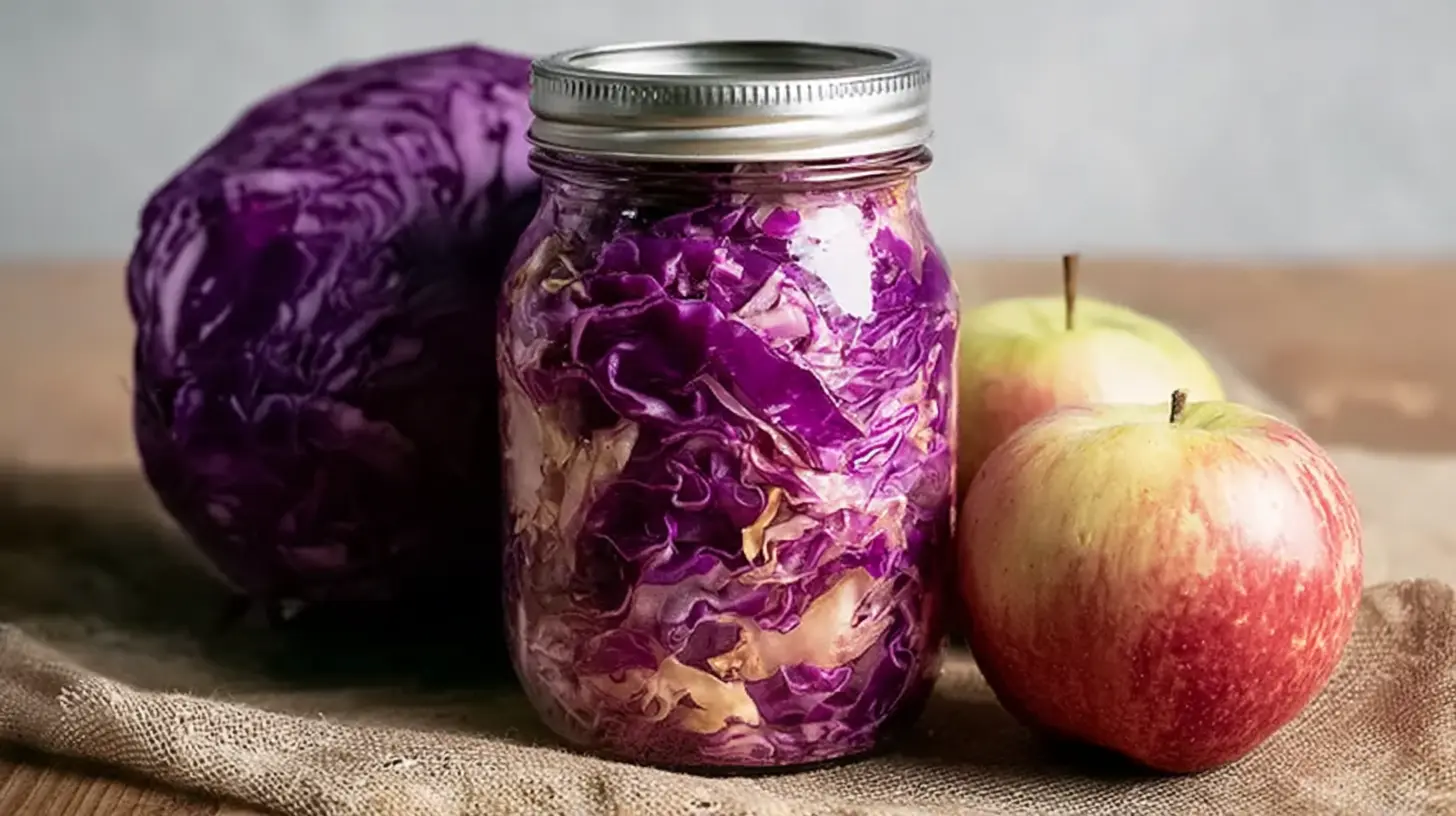
I used to think making sauerkraut was a complex, multi-day endeavor – something best left to seasoned fermentation experts. Then I discovered the magic behind Gingery Apple Cabbage Sauerkraut, and it completely changed my perspective. This isn’t just fermented cabbage; it’s a vibrant, tangy, slightly sweet, and wonderfully spicy concoction that brings a burst of flavor to almost any meal. And the best part? It’s surprisingly simple to make at home, especially when you know a few key tricks.
Why You’ll Love This Dish
There’s something incredibly satisfying about creating your own fermented foods, and this Gingery Apple Cabbage Sauerkraut is a fantastic place to start – or continue – your journey. You’ll adore this recipe because it delivers a unique flavor profile that brightens up even the simplest of meals. It’s not just sour; the apple brings a natural sweetness and crispness, while the ginger adds a delightful, zesty warmth. Plus, homemade sauerkraut is a powerhouse of probiotics, supporting gut health in a delicious way. This recipe is particularly perfect for adding a zingy side to roasted meats, grilled vegetables, or even just enjoyed straight out of the jar as a healthy snack.
> “I was intimidated by making sauerkraut, but these tips made it so easy! The ginger and apple add such a fantastic twist. Won’t be buying store-bought again!” – Happy Fermenter
The Cooking Process Explained
Making Gingery Apple Cabbage Sauerkraut is less about “cooking” and more about guiding a natural fermentation process. The overall concept is quite straightforward: you chop and pound your ingredients with salt, which draws out their natural liquids. These liquids, combined with the salt, create a brine in which beneficial bacteria can thrive, transforming the cabbage and apples into delicious, probiotic-rich sauerkraut. Over several days or weeks, these bacteria break down sugars, producing lactic acid, which gives sauerkraut its characteristic tang and acts as a natural preservative. The key is to create the right environment for these good bacteria to do their work.
What You’ll Need
To embark on your sauerkraut adventure, gather these essential items:
- 1 medium green cabbage (about 2-3 lbs): The foundation of your kraut. Look for a firm, dense head.
- 1-2 Granny Smith apples: Adds crispness and a delightful tart-sweet contrast.
- 2-3 inch piece of fresh ginger: Peeled and finely grated or minced, for that spicy kick.
- 1.5 – 2 tablespoons sea salt (non-iodized): Crucial for drawing out water and inhibiting undesirable bacteria. Avoid iodized salt as it can interfere with fermentation.
- (Optional) 1 tsp caraway seeds: A classic sauerkraut companion, adding an earthy, anise-like note.
- Large mixing bowl: For massaging the ingredients.
- 1-quart wide-mouth mason jar with lid: For fermenting.
- Something heavy to use as a weight (like a smaller jar filled with water or a fermentation weight): To keep the cabbage submerged.
Directions to Follow
Let’s get this delicious fermentation started!
- Prepare the Cabbage: Remove any bruised or damaged outer leaves from the cabbage. Quarter the cabbage, remove the core, and then thinly slice or shred it. A mandoline slicer can make this job quick and even, but a sharp knife works just as well.
- Dice the Apple and Ginger: Core the Granny Smith apples (you can peel them if you prefer, but the skin adds extra nutrients and texture) and chop them into small, bite-sized pieces. Peel the ginger and either grate it finely or mince it.
- Combine and Salt: In a large mixing bowl, combine the shredded cabbage, diced apple, grated ginger, and sea salt (along with caraway seeds if using).
- Massage and Pound: Now for the fun part! With clean hands, begin massaging and pounding the mixture firmly. You’ll notice the cabbage starting to soften and release liquid. Continue this process for 5-10 minutes, or until a significant amount of brine has collected at the bottom of the bowl when you press down. The goal is to create enough liquid to submerge the cabbage later.
- Pack into Jar: Tightly pack the cabbage mixture into your clean 1-quart mason jar. Press down firmly with your knuckles or a blunt object after each addition to remove air pockets and encourage more brine to rise.
- Submerge and Weigh: Pour any remaining brine from the bowl over the packed cabbage. Ensure that all the solid ingredients are completely submerged under the liquid. If there isn’t enough brine to cover everything, you can make a small supplemental brine (1 teaspoon salt dissolved in 1 cup non-chlorinated water) and add enough to cover. Place your fermentation weight or smaller jar (filled with water) on top to keep everything pressed down below the brine level.
- Cover and Ferment: Loosely cover the jar with its lid or a breathable cloth secured with a rubber band. This allows gases to escape while keeping contaminants out. Place the jar in a cool, dark spot (ideally 65-75°F / 18-24°C) out of direct sunlight.
- Monitor and Taste: Check your sauerkraut daily. You may see bubbles forming, which is a good sign of fermentation. Press down on the weight if needed to ensure the cabbage stays submerged. After 3-7 days (or longer, depending on temperature and your taste preference), begin tasting. When it reaches your desired level of tanginess and crispness, remove the weight and secure the lid tightly.
- Store: Transfer your finished Gingery Apple Cabbage Sauerkraut to the refrigerator. This slows down the fermentation process significantly.
Best Ways to Enjoy It
Gingery Apple Cabbage Sauerkraut is incredibly versatile! Its bright, zesty, and slightly sweet flavor profile makes it a fantastic accompaniment to a variety of dishes.
- Classic Pairing: Serve a generous spoonful alongside roasted pork, grilled sausages, or any rich meat dish to cut through the richness.
- Sandwich Booster: Add a tangy kick to your favorite sandwiches, wraps, or even hot dogs. It’s particularly good on a reuben!
- Breakfast Upgrade: Surprisingly delicious with scrambled eggs or alongside a savory breakfast hash.
- Salad Topper: Chop it finely and sprinkle over green salads for an extra layer of flavor and crunch.
- Bowl Food: Mix it into grain bowls with roasted vegetables and a protein for a healthy, vibrant meal.
- Straight Up: Don’t be afraid to enjoy a forkful directly from the jar – it’s that good!
How to Store & Freeze
Once your Gingery Apple Cabbage Sauerkraut has reached its peak flavor, proper storage is key to preserving its goodness and keeping it safe.
- Refrigeration: After fermentation, tightly lid the jar and transfer it to the refrigerator. The cool temperature significantly slows down the activity of the beneficial bacteria. Your sauerkraut will last for several months in the fridge, typically 3-6 months, and sometimes even longer, as long as it remains submerged in its brine and smells fresh.
- Freezing: Freezing sauerkraut is possible, but it may alter the texture slightly, making it a bit softer. It also tends to diminish the probiotic benefits, as freezing kills some of the beneficial bacteria. If you do freeze it, transfer it to freezer-safe containers or bags, leaving some headspace for expansion. It will last for up to a year in the freezer. Thaw in the refrigerator before using.
- Safety Tip: Always ensure the sauerkraut remains submerged in its brine. Exposure to air can allow mold to grow. If you see any mold, it’s best to discard the entire batch to be safe. A fresh, properly fermented sauerkraut should smell pleasantly sour and slightly sweet, not off or yeasty.
Tricks for Success
Achieving perfect Gingery Apple Cabbage Sauerkraut is easier with a few insider tricks:
- Use Non-Iodized Salt: This is crucial. Iodine in table salt can inhibit the beneficial bacteria vital for fermentation, potentially leading to undesirable results. Stick to sea salt, pickling salt, or kosher salt without anti-caking agents.
- Massage, Massage, Massage: Don’t underestimate the power of a good massage. Really work that salt into the cabbage for at least 5-10 minutes. This is how you extract enough liquid to create the essential brine. The more liquid you draw out naturally, the less likely you’ll need to add extra brine.
- Keep it Submerged: This is arguably the most important rule for successful and safe fermentation. All solids must stay below the brine line to prevent exposure to oxygen, which can lead to mold growth. Use a fermentation weight or a smaller jar filled with water to ensure everything stays down.
- Taste Test Throughout: Fermentation time isn’t an exact science; it depends on temperature and your personal preference. Start tasting after 3-5 days. If you prefer a milder funk,冷蔵 store it sooner. For a more intense tang, let it go longer. Trust your taste buds!
Creative Twists
While the classic Gingery Apple Cabbage Sauerkraut is delicious on its own, there are plenty of ways to play with the flavors and make it your own:
- Spice It Up: Add a pinch of red pepper flakes or a thinly sliced small chili pepper along with the ginger for an extra heat kick.
- Herbaceous Notes: Incorporate fresh dill, thyme, or bay leaves during the packing process for an aromatic layer.
- Root Vegetable Boost: Shred a small carrot or beet along with the cabbage for added sweetness, color, and nutrients.
- Citrus Zest: A teaspoon of lemon or orange zest can brighten the flavors even further, especially complementing the ginger and apple.
- Garlic Infusion: Mince a few cloves of garlic and add them to the mixture for a pungent, savory depth.
- Mustard Seed Magic: Swap caraway seeds for yellow or brown mustard seeds (or a mix of both) for a different kind of earthy, pungent warmth.
Common Questions
How long does it take for the sauerkraut to ferment?
The fermentation time for Gingery Apple Cabbage Sauerkraut typically ranges from 3 to 14 days, depending on the ambient temperature and your preferred level of sourness and texture. In warmer environments (around 70-75°F / 21-24°C), it ferments faster (3-7 days). In cooler conditions (60-65°F / 15-18°C), it can take 10-14 days or even longer. Taste it periodically until it reaches your desired tanginess.
What if mold appears on my sauerkraut?
If you see any fuzzy, colored mold (typically white, green, blue, or black) on the surface of your sauerkraut, it’s safest to discard the entire batch. Mold indicates that unwanted organisms have taken hold, and while some surface molds on ferments might be harmless, distinguishing them from harmful ones is difficult. To prevent mold, always ensure the cabbage stays submerged under the brine, use clean equipment, and keep the jar covered to prevent airborne contaminants.
Can I use store-bought pre-shredded cabbage?
While you can use pre-shredded cabbage, it’s generally not recommended. Pre-shredded cabbage tends to be drier and may have been treated or washed, which can sometimes interfere with the natural microbial balance needed for fermentation. Using a fresh head of cabbage and shredding it yourself ensures the best moisture content and a more robust fermentation process. If you do use pre-shredded, you might need to massage it for longer or add a bit of supplemental brine to ensure full submersion.

Gingery Apple Cabbage Sauerkraut
Equipment
- large bowl
- grater
- wide-mouth quart or half-gallon Mason jar
- airlock lid
- small, clean weight
Ingredients
Main Ingredients
- 2-3 pounds Green Cabbage
- 1-2 medium Apples (Granny Smith or Honeycrisp)
- 3-4 inch piece Fresh Ginger
- 2 tablespoons Non-iodized Salt
Instructions
Preparation
- Remove bruised outer leaves from the cabbage, reserving one or two for later; then quarter, core, and finely shred the cabbage.
- Core and thinly slice or finely chop the apples, then peel and finely grate the fresh ginger.
Combine and Ferment
- In a large bowl, combine the shredded cabbage, apples, and grated ginger, then sprinkle with non-iodized salt.
- Vigorously massage the mixture for 5-10 minutes with clean hands until brine collects at the bottom of the bowl.
- Transfer the mixture to a clean Mason jar, packing tightly to remove air pockets.
- Pour remaining brine over the kraut, then use a reserved cabbage leaf and a small weight to keep everything submerged under the liquid.
- Secure the jar with an airlock lid or burp a regular lid daily, storing it at a cool room temperature (65-75°F / 18-24°C) away from direct sunlight.
- Check daily to ensure submergence and begin tasting after 1-2 weeks; fermentation can take 2-4 weeks for desired tanginess.
- Once desired flavor is reached, remove the weight and cabbage leaf, cap tightly, and refrigerate.