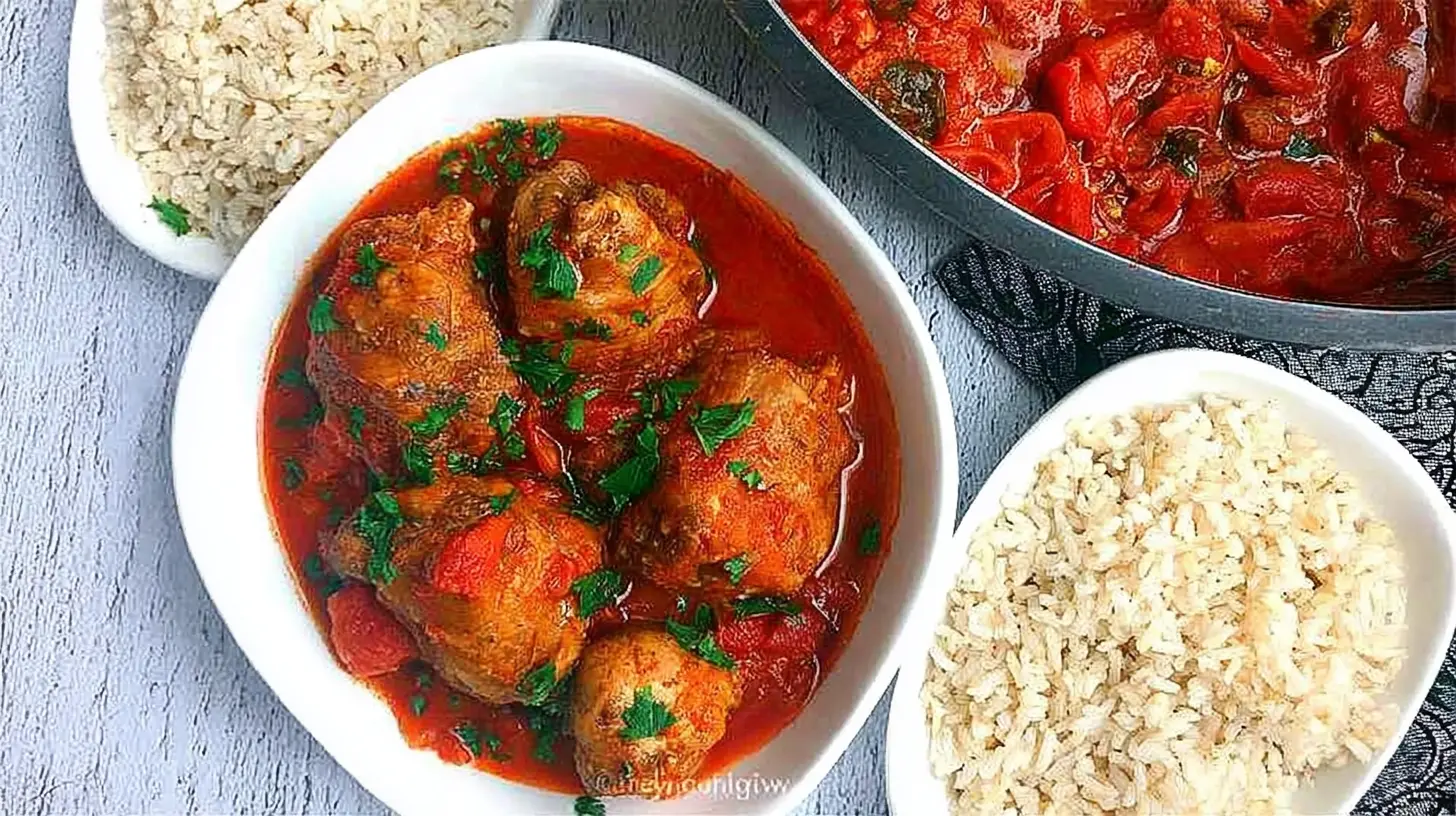
The rich aroma of simmering tomatoes, peppers, and warming spices often takes me back to bustling Nigerian kitchens, where immense flavor is created from simple, fresh ingredients. If you’ve ever yearned to capture that vibrant taste, particularly in a dish as iconic as Nigerian Chicken Stew, you’re in the right place. This isn’t just a recipe; it’s an invitation to experience a culinary cornerstone, a dish that graces countless tables, gathering families and friends around its irresistible allure.
Why You’ll Love This Dish
This isn’t just any chicken stew; it’s a celebration of bold flavors and comforting warmth that makes it a true culinary gem. You’ll adore Nigerian Chicken Stew because it’s a versatile master, perfect for a cozy weeknight dinner, yet elegant enough to star at a special gathering. The blend of sweet, tangy, and subtly spicy notes creates a deeply satisfying experience that appeals to almost everyone. Plus, making it at home means you control the freshness and quality of every ingredient, promising a healthier and more delicious outcome than any store-bought alternative. It’s also incredibly satisfying to master a national dish, and this recipe makes it entirely achievable!
> “I always thought Nigerian cooking was complicated until I tried this stew recipe. It’s surprisingly straightforward and the flavor is absolutely incredible. My family devoured it!” – A Happy Home Cook
Preparing Nigerian Chicken Stew
Crafting this delicious stew involves a few key stages that build incredible depth of flavor. You’ll start by preparing your chicken, giving it a good seasoning and a quick fry to lock in moisture and create a beautiful golden exterior. Next, the heart of the stew—the pepper mix—gets blended and then slowly cooked down to concentrate its vibrant flavors. Finally, you’ll bring everything together, allowing the chicken to simmer gently in the rich tomato-pepper base until it’s tender and utterly infused with all those wonderful spices.
Key Ingredients
To bring this fantastic stew to life, you’ll need a vibrant array of fresh produce and well-loved spices.
- Chicken: 2-3 lbs bone-in, skin-on chicken pieces (thighs, drumsticks, or a mix)
- Tomatoes: 4-5 medium ripe plum tomatoes, or 1 can (14.5 oz) diced/crushed tomatoes
- Bell Peppers: 2 large red bell peppers
- Scotch Bonnet Peppers: 1-2 (or Habanero), adjust to your spice preference
- Onions: 1 large white or red onion, divided
- Garlic: 3-4 cloves, minced
- Ginger: 1 inch piece, grated or minced
- Vegetable Oil: ½ cup (or any neutral cooking oil)
- Tomato Paste: 2 tablespoons
- Chicken Bouillon Powder/Cubes: 1-2 teaspoons or 1 cube, crushed
- Curry Powder: 1 teaspoon
- Thyme: ½ teaspoon (dried)
- Bay Leaf: 1-2
- Salt: To taste
- Black Pepper: To taste
Directions to Follow
Here’s how to create your amazing Nigerian Chicken Stew:
- Prep the Chicken: Wash chicken pieces thoroughly. Season generously with salt, black pepper, 1 teaspoon of chicken bouillon, ½ teaspoon of curry powder, and ¼ teaspoon of thyme. Mix well to coat.
- Brown the Chicken: Heat about ¼ cup of vegetable oil in a large pot or Dutch oven over medium-high heat. Once hot, carefully place chicken pieces in the pot in a single layer (you might need to do this in batches to avoid overcrowding). Fry until golden brown on all sides, about 5-7 minutes per side. Remove chicken and set aside, reserving the oil in the pot.
- Prepare the Pepper Mix: Roughly chop tomatoes, red bell peppers, Scotch bonnet peppers, and half of the onion. Blend these in a food processor or blender until smooth. (You may need to add a splash of water to aid blending, but use as little as possible).
- Sauté Aromatics: If necessary, add a little extra oil to the pot with the reserved chicken oil. Add the remaining half of the onion (chopped), minced garlic, and grated ginger. Sauté for 3-5 minutes until fragrant and softened.
- Cook Down Pepper Mix: Pour the blended pepper mixture into the pot. Stir in the tomato paste, remaining chicken bouillon, curry powder, and thyme. Add the bay leaves.
- Simmer the Sauce: Bring the sauce to a boil, then reduce heat to medium-low, cover, and let it simmer for 20-30 minutes, stirring occasionally. The sauce should thicken, and the oil should start to separate and float to the top; this indicates the raw taste has cooked out.
- Combine and Finish: Gently add the browned chicken pieces back into the simmering sauce. Stir to ensure the chicken is well coated. If the stew is too thick, you can add a little bit of chicken broth or water (about ¼ to ½ cup).
- Final Simmer: Cover the pot and continue to simmer on low heat for another 15-20 minutes, or until the chicken is cooked through and tender, and the flavors have melded beautifully.
- Adjust Seasoning: Taste and adjust salt and pepper if needed. Remove bay leaves before serving.
Best Ways to Enjoy It
Nigerian Chicken Stew is incredibly versatile and pairs wonderfully with a variety of staples. The most classic pairing is with white rice, allowing the vibrant stew to be the star. For a heartier meal, serve it alongside boiled yam, boiled plantain, or even with bread for dipping. It’s also fantastic with popular Nigerian swallows like Eba, Fufu, or Pounded Yam, though these are typically served with more soupy stews. Garnish with a sprinkle of fresh chopped parsley or cilantro just before serving for an extra touch of color and freshness.
How to Store & Freeze
This stew is a fantastic candidate for meal prepping!
- Refrigeration: Allow the stew to cool completely before transferring it to an airtight container. It will keep well in the refrigerator for up to 3-4 days.
- Freezing: For longer storage, portion cooled stew into freezer-safe containers or heavy-duty freezer bags. It can be frozen for up to 2-3 months. Thaw overnight in the refrigerator before reheating.
- Reheating: Gently reheat on the stovetop over low to medium heat, stirring occasionally, until heated through. You can also microwave individual portions. If it’s too thick after reheating, a splash of water or chicken broth can help adjust the consistency.
Pro Chef Tips
- Don’t Rush the Pepper Mix: The secret to a rich, deep-flavored stew lies in properly cooking down the blended pepper mixture. This step is crucial for removing the raw taste and concentrating the flavors. Allow the oil to “break” (separate from the sauce) before adding the chicken back in.
- Season in Layers: Seasoning the chicken before frying and then adding spices to the stew base creates multiple layers of flavor that make the dish truly shine.
- Pat Chicken Dry: Before seasoning and frying, pat your chicken pieces dry with paper towels. This promotes better browning and crispier skin.
- Spice Level Control: For a milder stew, deseed the Scotch bonnet peppers completely or use fewer of them. For more heat, leave some seeds in!
Creative Twists
While the classic version is perfect, sometimes it’s fun to explore variations:
- Smoky Flavor: Add a touch of smoked paprika along with the other spices, or use smoked chicken for frying.
- Vegetable Boost: Towards the end of cooking, stir in some chopped carrots, green beans, or potatoes for added texture and nutrients. Cook until tender-crisp.
- Seafood Spin: While traditionally chicken, you could adapt this base for a mixed seafood stew with shrimp and firm white fish.
- Herb Love: Beyond thyme and curry, a pinch of dried rosemary can add another dimension to the flavor profile.
FAQ
Is Nigerian Chicken Stew very spicy?
The spice level can be completely customized! Our recipe suggests 1-2 Scotch bonnet peppers, which provide a moderate to hot kick. If you prefer a milder stew, use fewer peppers or remove the seeds and white membranes (where most of the heat resides) before blending. For maximum heat, leave them intact!Can I make this stew with boneless chicken?
Yes, you absolutely can! Boneless chicken thighs or breasts work well. However, bone-in chicken typically yields a richer, deeper flavor for the stew. If using boneless, reduce the final simmering time to prevent the chicken from becoming dry, as it will cook faster.What kind of oil should I use for frying and making the stew?
A neutral-flavored oil like vegetable oil, canola oil, or sunflower oil is best for this recipe. It allows the natural flavors of the tomatoes, peppers, and spices to shine through without imparting any strong taste of its own.How can I thicken my Nigerian Chicken Stew if it’s too watery?
If your stew seems too thin, continue simmering it uncovered over low heat. This will allow the excess liquid to evaporate, naturally thickening the sauce. Stir occasionally to prevent sticking. If you’re short on time, you can also dissolve a teaspoon of cornstarch in a tablespoon of cold water and stir it into the simmering stew, cooking until thickened.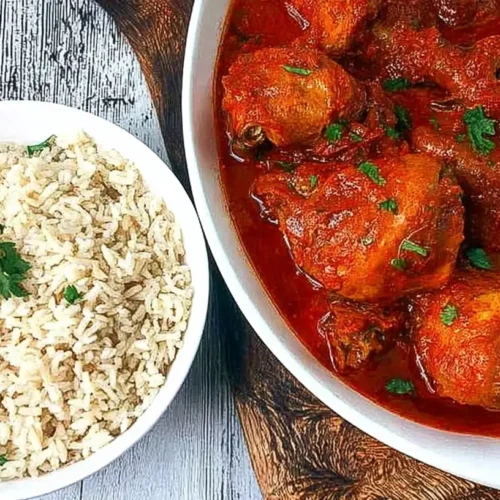
Authentic Nigerian Chicken Stew
Equipment
- pot
- pan
- blender
Ingredients
For the Chicken
- 1.5 kg whole chicken cut into pieces
- 1 large onion chopped
- 2 seasoning cubes (Maggi or Knorr)
- 1 tsp curry powder
- 1/2 tsp thyme
- Salt to taste
- Vegetable oil for frying chicken
For the Stew Base
- 5-6 large fresh tomatoes
- 2-3 red bell peppers (Tatashe)
- 1-2 Scotch bonnet peppers (Atarodo) adjust to desired heat
- 1 large onion roughly chopped
- 1/2 cup vegetable oil (or less, depending on how much oil is left from frying chicken)
- 2 seasoning cubes
- 1/2 tsp curry powder
- 1/4 tsp thyme
- Salt to taste
Instructions
Prepare the Chicken
- Wash chicken pieces thoroughly and place them in a pot with chopped onion, seasoning cubes, curry powder, thyme, and salt.
- Add just enough water to almost cover the chicken and boil for 15-20 minutes until tender.
Fry the Chicken
- Remove cooked chicken from the stock, reserving the stock for later use.
- Heat vegetable oil in a pan and fry chicken pieces until golden brown and crispy, then set aside.
Prepare the Stew Base
- While chicken fries, wash and chop tomatoes, red bell peppers, and Scotch bonnet peppers.
- Blend these ingredients into a smooth puree.
Boil Down the Puree
- Pour the blended mixture into a pot and boil on medium heat for 20-30 minutes until it thickens and the raw liquid taste is gone.
- This step removes excess water and intensifies the tomato flavor.
Sauté the Base
- In a clean pot, heat 1/2 cup of fresh vegetable oil and sauté the roughly chopped large onion until translucent and fragrant.
Combine and Simmer
- Add the boiled-down tomato-pepper puree to the sautéed onions and stir well.
- Fry this mixture in the oil for 15-20 minutes over medium-low heat, stirring occasionally, until oil floats to the top and the mixture darkens and smells aromatic.
Add Seasoning & Stock
- Stir in the remaining seasoning cubes, curry powder, thyme, and salt to taste.
- Pour in the reserved chicken stock, bring to a boil, then simmer for 10-15 minutes to meld flavors.
Introduce Chicken
- Add the fried chicken pieces to the simmering stew and stir gently to coat them with sauce.
- Simmer for another 5-10 minutes to allow the chicken to absorb the stew’s flavors.
Serve Hot
- Serve your Nigerian Chicken Stew hot.