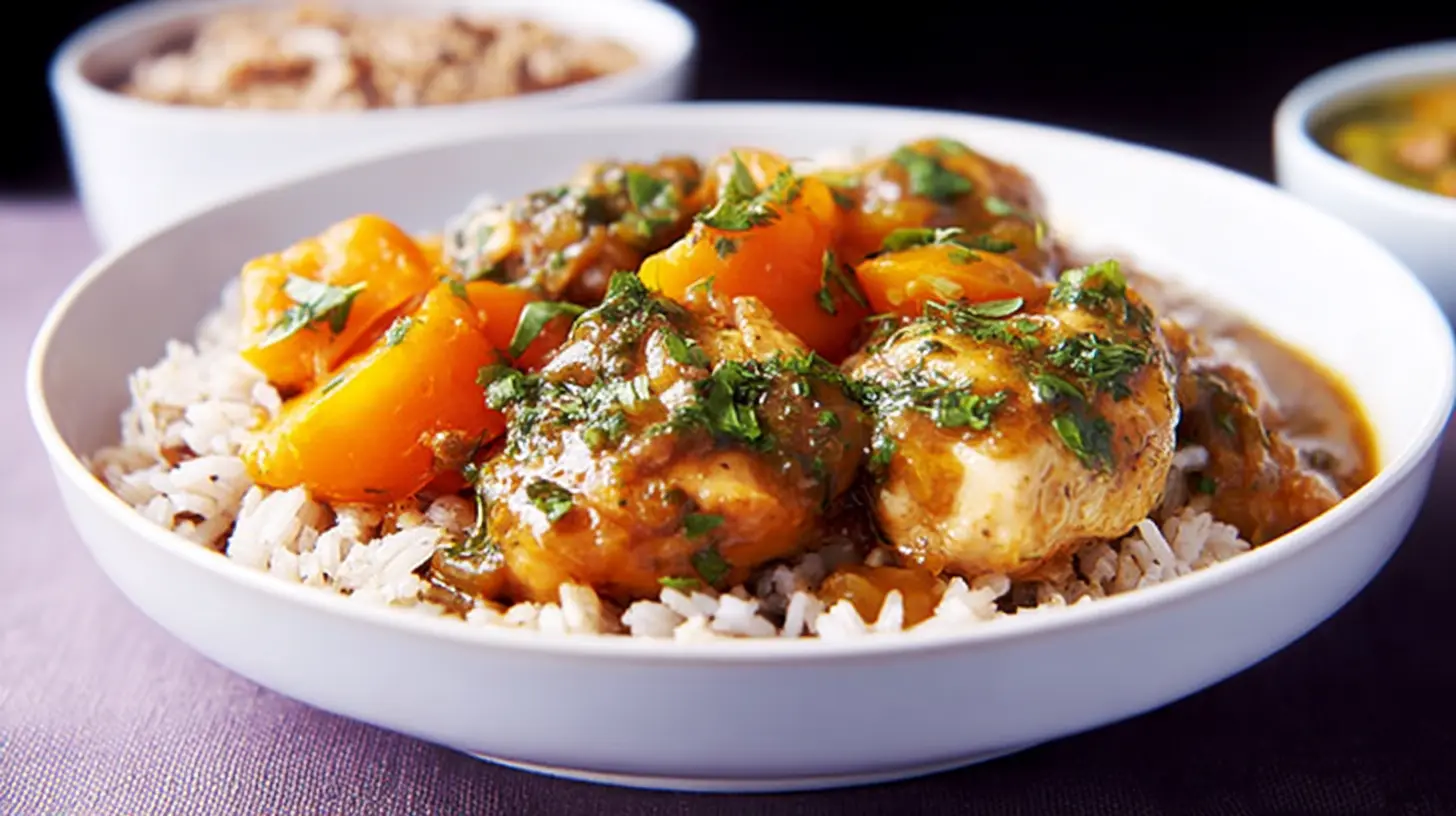
The first time I tasted truly authentic Peruvian food, I was captivated. There was a depth, a brightness, and an almost addictive quality I couldn’t quite put my finger on. It wasn’t just the ají amarillo or the fresh lime; there was something else, a background note that tied everything together. After much experimentation in my own kitchen, and more than a few conversations with Peruvian chefs, I finally uncovered the secret ingredient that elevates Peruvian recipes from good to truly extraordinary. And today, I’m going to share that culinary revelation with you.
Why You’ll Love This Dish
Peruvian cuisine is a vibrant tapestry of flavors, influenced by indigenous traditions, Spanish colonization, and Asian immigration. What makes it so utterly compelling is its ability to balance rich, earthy notes with a refreshing acidity and often a subtle kick of heat. When you incorporate this “secret ingredient,” you’re not just cooking a meal; you’re unlocking a whole new dimension of taste that will transport you straight to the bustling markets of Lima or the cozy kitchens of Cusco. This isn’t about radically changing your favorite recipes; it’s about refining them, giving them that authentic oomph that makes people ask, “What is that incredible flavor?” It’s perfect for impressing dinner guests, surprising your family with something new, or simply enjoying a truly exceptional meal that feels both comforting and exotic.
> “I’ve tried so many Peruvian recipes, but they never quite tasted like the ones I had in Peru. Adding this one ingredient made all the difference – it’s like magic!” – A delighted home cook
Step-by-Step Overview
Understanding how this secret ingredient integrates into your Peruvian cooking is straightforward. It’s not a standalone dish, but rather a flavor enhancer used across a multitude of recipes, from marinades for lomo saltado to dressings for causa rellena, and even in the base of a hearty ají de gallina. The process generally involves introducing it early in your cooking, allowing its unique notes to meld with the other ingredients, creating a more cohesive and authentic flavor profile. Think of it as a culinary canvas painter adding a final, perfect stroke.
What You’ll Need
To embark on this flavor journey, you’ll naturally need the core ingredients for your chosen Peruvian dish. However, the star of our show, the secret ingredient itself, is Peruvian Black Mint, also known as Huacatay (pronounced wah-ka-TIE).
Key Ingredients:
- Huacatay Paste: This is the most common and accessible form. Look for it in Latin American markets or online. A small jar goes a long way!
- Your chosen Peruvian recipe’s main components: (e.g., chicken for Ají de Gallina, beef for Lomo Saltado, potatoes for Causa, etc.)
- Aromatics: Red onion, garlic, ají amarillo paste (if not using huacatay in place of it), cilantro.
- Acids: Lime juice, vinegar.
- Broth/Stock: Chicken or vegetable.
- Your usual spices: Cumin, oregano, salt, pepper.
A note on Huacatay: Its flavor is unique – a complex blend of mint, tarragon, basil, and a hint of lime. It adds an incomparable earthy freshness and slight pungency that elevates virtually any savory Peruvian dish. If you can only find fresh huacatay leaves, you can blend them with a little oil and water to make your own paste.
Directions to Follow
Let’s integrate Huacatay into a general Peruvian cooking process. The key is balance and early introduction.
- Preparation First: Gather all your base ingredients for your chosen Peruvian recipe. Chop your aromatics, prepare your proteins, and measure out your other pastes and liquids.
- Soffrito Base (if applicable): In many Peruvian dishes, you start with a soffrito (sautéed onions, garlic, and often ají amarillo paste). This is the perfect stage to introduce huacatay.
- Introduce Huacatay: Once your aromatics are fragrant and soft (usually after 5-7 minutes of sautéing), add 1-2 teaspoons of huacatay paste. Sauté the paste with the other aromatics for another 1-2 minutes, stirring constantly. This allows its essential oils to bloom and meld with the fats.
- Continue Your Recipe: Proceed with your Peruvian recipe as instructed. The huacatay will now be an integral part of your dish’s flavor foundation. For dishes that don’t start with a soffrito, like a cold causa rellena, you’d typically mix a smaller amount of huacatay paste directly into your potato base or a sauce.
- Taste and Adjust: As always, taste your dish before serving. If you feel it needs a slight extra boost of that distinctive aroma, you can stir in a tiny bit more huacatay paste at the end, but be cautious – its flavor is potent!
How to Serve Peruvian Recipes Elevated with Huacatay
The beauty of huacatay is its versatility. Once your dish is infused with this incredible ingredient, consider these serving suggestions:
- Lomo Saltado: Serve over a bed of crispy French fries and fluffy white rice, allowing the rich, huacatay-infused sauce to coat everything beautifully. A sprinkle of fresh cilantro adds a final flourish.
- Ají de Gallina: This creamy chicken stew is traditionally served with sliced hard-boiled eggs, black olives, and white rice. The huacatay adds incredible depth to the creamy sauce.
- Causa Rellena: This layered potato dish benefits from huacatay mixed into the potato base, bringing an earthy balance to the tangy lime and creamy filling. Garnish with avocado slices and a drizzle of Peruvian olive oil.
- Ceviche: While less common, a tiny whisper of huacatay can be added to the leche de tigre (tiger’s milk) for an intriguing, complex aroma alongside the sharp citrus. Serve with sweet potato and corn.
- As a Garnish: For some dishes, a tiny spoon of fresh huacatay paste or finely chopped fresh leaves (if you can find them) can be swirled in right before serving for an aromatic punch.
How to Store Huacatay and Leftovers
Huacatay Paste:
- Unopened: Store in a cool, dark pantry. Check the expiration date.
- Opened: Keep tightly sealed in the refrigerator. It typically lasts for several months once opened due to its concentrated nature and salt content. Some brands even suggest freezing opened paste for extended freshness, storing it in an airtight container or even ice cube trays.
Dishes with Huacatay:
- Refrigeration: Store any leftover Peruvian dishes containing huacatay in an airtight container in the refrigerator for up to 3-4 days.
- Reheating: Most dishes reheat well on the stovetop over medium-low heat, or in the microwave. Add a splash of broth or water if the dish seems dry.
- Freezing: Many Peruvian stews and braises (like Ají de Gallina) freeze beautifully. Allow to cool completely, then transfer to freezer-safe containers. They can be frozen for up to 2-3 months. Thaw in the refrigerator overnight before reheating.
Pro Chef Tips
- Start Small: Huacatay is potent. When you first use it, begin with half a teaspoon for a dish serving 4-6 people, then taste and add more if needed. It’s easier to add than to take away!
- Bloom the Flavor: Sautéing huacatay paste early in the cooking process (with your aromatics) is crucial. This “blooming” releases its full complexity and allows it to integrate seamlessly into the dish, rather than tasting like an afterthought.
- Quality Matters: While many brands of huacatay paste are good, seeking out a reputable brand from a dedicated Latin American grocer often yields the best flavor.
- Beyond Peruvian: Don’t limit huacatay to just Peruvian dishes! Experiment by adding a tiny bit to roasted chicken marinades, black bean soup, or even a unique chimichurri for grilled meats. Its herbaceous, minty notes can surprise and delight.
Creative Twists
- Vegetarian Peruvian Delights: Huacatay is fantastic in vegetarian dishes. Add it to a hearty bean stew, a mushroom-based “steak,” or even a quinoa salad for an unexpected layer of flavor.
- Huacatay Aioli: Blend a teaspoon of huacatay paste into homemade mayonnaise for an incredible dipping sauce for fried yuca, sweet potato fries, or even as a spread for sandwiches.
- Spicy Kick: While huacatay isn’t spicy, it pairs beautifully with heat. For an extra kick, combine it with a little ají rocoto paste for a bolder flavor profile.
- Marinades: Incorporate huacatay paste into marinades for chicken, pork, or even firm tofu before grilling or baking. It tenderizes and infuses deeply.
Your Questions Answered
FAQ
Q1: Where can I buy huacatay paste?
A1: Your best bet is always an authentic Latin American grocery store, especially one specializing in Peruvian or South American imports. Many online retailers also stock huacatay paste, making it accessible even if you don’t have a local specialty market.
Q2: Can I substitute fresh huacatay if I can’t find the paste?
A2: Absolutely! If you’re lucky enough to find fresh huacatay leaves (sometimes labeled “black mint”), you can make your own paste. Simply blend a handful of leaves with a tablespoon of neutral oil (like vegetable or canola) and a tiny splash of water until you achieve a smooth, bright green paste. Use a little more of the fresh paste compared to the concentrated jarred version.
Q3: Is huacatay spicy?
A3: No, huacatay is not spicy at all. It’s an herb with a complex, earthy, minty, sometimes slightly citrusy and pungent flavor profile. While it often accompanies spicy Peruvian ingredients like ají amarillo, it does not contribute heat itself.
Q4: Can I use huacatay in non-Peruvian dishes?
A4: Definitely! While it’s a cornerstone of Peruvian cuisine, its unique flavor can enhance many dishes. Try adding a small amount to vinaigrettes for salads, marinades for lamb or chicken, or even to a simple vegetable sauté for an unexpected depth. Just remember its potency and start with a conservative amount.
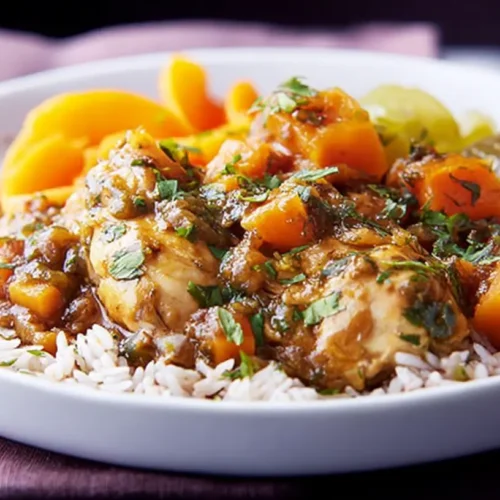
Peruvian Comfort Trio (Ceviche, Lomo Saltado, Aji de Gallina)
Equipment
- Non-reactive bowl
- Small bowl
- Large wok or skillet
- Pot
Ingredients
For Ceviche
- 1.5 lbs very fresh white fish (tilapia, mahi-mahi, sea bass, or cod work well), cut into ½-inch cubes
- red onion, thinly sliced
- 1 -2 Aji Limo peppers (or serrano/habanero if unavailable), finely minced
- 0.5 cup fresh lime juice (about 6-8 limes)
- 0.25 cup fresh lemon juice
- 2 -3 sprigs fresh cilantro, chopped, plus extra for garnish
- Salt to taste
- Lettuce leaves, for serving
- Cooked sweet potato slices, for serving optional
- Fresh or canned corn (choclo or plain corn), for serving optional
For Lomo Saltado
- 1.5 lbs beef sirloin or tenderloin, cut into 1-inch strips
- 2 tbsp vegetable oil
- large red onion, cut into thick wedges
- 2 tomatoes, cut into thick wedges
- 2 Aji Amarillo peppers or 1 bell pepper (red or yellow), sliced
- 3 cloves garlic, minced
- 2 tbsp Aji Amarillo paste optional, for authentic flavor
- 3 tbsp soy sauce
- 2 tbsp red wine vinegar
- 1 tbsp chopped fresh cilantro
- Salt and black pepper to taste
- French fries (homemade or frozen), for serving
- Steamed white rice, for serving
For Aji de Gallina
- 2 lbs boneless, skinless chicken breasts or thighs
- 1 tbsp olive oil
- large red onion, finely diced
- 3 cloves garlic, minced
- 0.5 cup Aji Amarillo paste essential for flavor
- 0.5 cup evaporated milk
- 1 cup chicken broth
- 4 slices of white bread, crusts removed, soaked in a little extra evaporated milk or water
- 0.25 cup grated Parmesan cheese
- Salt and pepper to taste
- Cooked white rice, for serving
- 2 hard-boiled eggs, quartered, for garnish
- Black olives, for garnish optional
- Fresh parsley, chopped, for garnish
Instructions
Ceviche
- In a non-reactive bowl, combine cubed fish, sliced red onion, and minced Aji Limo pepper.
- In a separate bowl, mix lime juice, lemon juice, half of the cilantro, and salt for the Leche de Tigre.
- Pour the citrus mixture over the fish, ensuring it’s submerged; gently stir and marinate for 10-20 minutes until opaque.
- Before serving, stir in the remaining cilantro and serve on lettuce leaves with optional sweet potato and corn.
Lomo Saltado
- Pat beef strips dry, then season generously with salt and pepper.
- Heat 1 tbsp oil in a wok, sauté red onion until softened, then remove; repeat with tomatoes and Aji Amarillo/bell pepper.
- Add remaining oil to the wok, sear half of the beef for 1-2 minutes per side until browned, then remove and repeat with the rest.
- Reduce heat, add garlic and Aji Amarillo paste to the wok, stir for 30 seconds, then return all cooked ingredients.
- Add soy sauce and red wine vinegar, toss vigorously for 1 minute until coated and heated through, then stir in cilantro.
- Serve immediately with French fries and steamed white rice.
Aji de Gallina
- Cook chicken in water or broth until done, then shred and reserve 1 cup of cooking liquid.
- Heat olive oil in a pot, cook diced red onion and minced garlic until softened and fragrant.
- Stir in Aji Amarillo paste and cook for 2-3 minutes to deepen flavor.
- Add squeezed, soaked bread to the pot, mash it, then gradually whisk in evaporated milk and reserved chicken broth until smooth.
- Simmer until sauce thickens, add shredded chicken and Parmesan, stir, and season with salt and pepper.
- Serve hot over white rice, garnished with hard-boiled eggs, black olives, and fresh parsley.