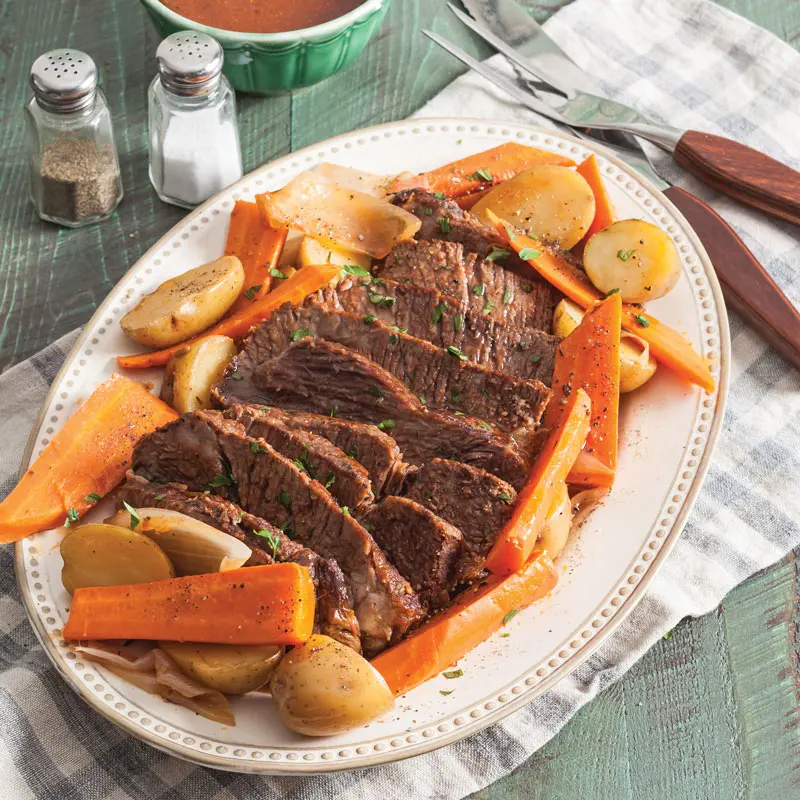
The aroma of a slow-cooking pot roast instantly transports me back to my grandmother’s kitchen on a chilly Sunday afternoon. There’s something inherently comforting and deeply satisfying about a fork-tender piece of beef, braised gently until it practically melts in your mouth, surrounded by sweet vegetables and a rich, savory gravy. It’s more than just a meal; it’s an experience, a tradition, and a warm hug on a plate. If you’re looking to recreate that feeling, or perhaps start a new tradition, you’ve come to the right place.
Why You’ll Love This Dish
There are countless reasons why Sunday pot roast has remained a beloved classic for generations. First off, it’s the epitome of set-it-and-forget-it cooking. Once you’ve got it in the oven or slow cooker, your work is largely done, leaving you free to enjoy your Sunday. Beyond convenience, the flavor profile is simply unmatched — deep, savory, and incredibly rich. It transforms tougher cuts of meat into something incredibly luxurious. Plus, it’s a complete meal in one pot, often including vegetables like carrots, potatoes, and onions, making cleanup a breeze. It’s the perfect dish for a family gathering, a comforting weekend dinner, or even meal prepping hearty lunches for the week ahead.
> “I used to be intimidated by pot roast, but this recipe made it so straightforward! The meat was incredibly tender, and the gravy was outstanding. Definitely a new family favorite!”
The Cooking Process Explained
Making a truly spectacular Sunday Pot Roast involves a few key steps that build layers of flavor. You’ll start by searing your beef roast to create a beautiful crust and lock in those savory juices – this step is non-negotiable for depth of flavor! Next, you’ll sauté some aromatic vegetables like onions and garlic, deglazing the pan to capture all those delicious browned bits. Then, the roast nestles back into the pot with your chosen liquid (broth, wine, or even a can of diced tomatoes) and a medley of root vegetables. From there, it’s a slow, gentle braise, either in the oven or a slow cooker, allowing the connective tissues in the beef to break down, resulting in that coveted fall-apart tenderness. Finally, you’ll likely thicken the cooking liquid into a sumptuous gravy, bringing the whole dish together.
What You’ll Need
To craft this comforting masterpiece, gather these items:
- 3-4 lb Chuck Roast: This cut, often labeled “chuck eye roast” or “pot roast,” is ideal for braising due to its marbling and connective tissue.
- 2 tbsp Olive Oil: For searing the beef.
- 1 large Yellow Onion: Roughly chopped, it adds a foundational sweetness and aroma.
- 3 cloves Garlic: Minced, for an aromatic kick.
- 4 cups Beef Broth: Low sodium is best so you can control the seasoning.
- 1 cup Red Wine (optional): A dry red like Cabernet Sauvignon or Merlot adds incredible depth to the gravy. If omitting, use extra beef broth.
- 2 sprigs Fresh Rosemary: Adds an earthy, fragrant note.
- 3 sprigs Fresh Thyme: Complements the beef beautifully.
- 1 lb Carrots: Peeled and cut into 1-2 inch chunks.
- 1.5 lbs Yukon Gold Potatoes: Quartered or halved, depending on size. These hold their shape well.
- 2 tbsp All-Purpose Flour: For thickening the gravy.
- Salt and Freshly Ground Black Pepper: To taste.
Directions to Follow
Let’s get this delicious roast cooking!
- Prepare the Beef: Pat the chuck roast very dry with paper towels. Season generously all over with salt and freshly ground black pepper. Don’t be shy – this is your main chance to season the meat directly.
- Sear the Roast: Heat the olive oil in a large Dutch oven or oven-safe pot over medium-high heat until shimmering. Carefully place the seasoned roast in the hot oil and sear on all sides until deeply browned, about 3-5 minutes per side. This step is crucial for flavor development! Remove the roast and set it aside.
- Sauté Aromatics: Reduce the heat to medium. Add the chopped onion to the pot and cook, stirring occasionally, until softened and translucent, about 5-7 minutes. Add the minced garlic and cook for another minute until fragrant.
- Deglaze: Pour in the red wine (if using) and scrape up any browned bits stuck to the bottom of the pot with a wooden spoon. Let it simmer for 2-3 minutes until slightly reduced.
- Add Liquids and Herbs: Stir in the beef broth. Return the seared pot roast to the pot, nestling it in the liquid. Add the fresh rosemary and thyme sprigs. Ensure the liquid comes about halfway up the sides of the roast.
- Braise: Bring the liquid to a gentle simmer on the stovetop. Cover the Dutch oven tightly with a lid and transfer it to a preheated oven at 325°F (160°C). Cook for 2.5 to 3 hours.
- Add Vegetables: After 2.5-3 hours, carefully remove the pot from the oven. Add the carrots and potatoes around the roast, submerging them partly in the liquid. If needed, add a little more broth to ensure the vegetables are mostly covered. Recover and return to the oven for another 45-60 minutes, or until the vegetables are tender, and the pot roast is fall-apart tender. A fork should easily shred the meat.
- Rest the Meat: Carefully remove the roast from the pot and transfer it to a cutting board. Tent it loosely with foil and let it rest for 10-15 minutes. This allows the juices to redistribute, ensuring a more tender and flavorful result.
- Make the Gravy: While the meat rests, skim any excess fat from the surface of the cooking liquid in the pot. In a small bowl, whisk together the flour with 2-3 tablespoons of cold water to form a smooth slurry. Bring the cooking liquid to a simmer over medium heat on the stovetop. Gradually whisk in the flour slurry until the gravy thickens to your desired consistency. Season with additional salt and pepper to taste.
- Serve: Slice or shred the rested pot roast. Serve immediately with the tender vegetables and plenty of the rich, savory gravy.
Best Ways to Enjoy It
This Sunday Pot Roast is a complete meal on its own, but there are definitely ways to enhance the experience. Serve it straight from the Dutch oven, allowing everyone to help themselves to the tender meat, vegetables, and ample gravy. For a more elegant presentation, you can slice the roast against the grain and arrange it artfully on a platter with the vegetables, then spoon the gravy generously over everything. It pairs beautifully with a side of creamy mashed potatoes (for extra gravy-soaking potential!), fluffy dinner rolls, or a simple green salad with a vinaigrette to cut through the richness.
Keeping Leftovers Fresh
Storing your pot roast properly ensures you can enjoy its deliciousness for days.
- Refrigeration: Once cooled, transfer any leftover pot roast, vegetables, and gravy into an airtight container. It will keep well in the refrigerator for 3-4 days.
- Reheating: Gently reheat portions in a pot on the stovetop over medium-low heat, or in the microwave, adding a splash of broth if the gravy has thickened too much.
- Freezing: Pot roast freezes exceptionally well! Once completely cooled, store the meat, vegetables, and gravy together in a freezer-safe container or heavy-duty freezer bags. It can be frozen for up to 3 months. Thaw overnight in the refrigerator before reheating. Ensure everything reaches an internal temperature of 165°F (74°C) when reheating.
Helpful Cooking Tips
Achieving that perfectly tender, flavorful pot roast is easier with a few insider tricks:
- Don’t Skip the Sear: Seriously, this is where so much flavor comes from. A deep, dark brown crust on the roast adds incredible depth to the finished dish and the gravy.
- Low and Slow is Key: Resist the urge to crank up the heat. Braising at a lower temperature for a longer time is what breaks down the tough connective tissues in chuck roast, yielding that melt-in-your-mouth texture.
- Pat the Meat Dry: A dry surface is essential for a good sear. Moisture on the meat will steam it instead of browning it.
- Season Generously: Remember, you’re seasoning a large cut of meat! Don’t be afraid to use a good amount of salt and pepper before searing. You can always adjust the gravy later.
- Use Good Quality Broth: Since beef broth makes up a significant portion of the liquid, a good quality, flavorful broth will elevate your gravy considerably.
- Rest the Meat: Just like with steaks, letting the roast rest after cooking allows the juices to redistribute, making the meat more tender and moist.
Creative Twists
While the classic Sunday Pot Roast is perfect as is, you can certainly play around with flavors:
- Herb Variations: Try adding bay leaves, marjoram, or even a touch of smoked paprika for different aromatic profiles.
- Vegetable Medley: Beyond carrots and potatoes, consider adding parsnips, celery, mushrooms, or even pearl onions during the last hour of cooking.
- Lager Pot Roast: Replace up to half of the beef broth with a dark beer like a stout or porter for a rich, malty undertone.
- Tomato Boost: A can of diced tomatoes or a tablespoon of tomato paste added with the aromatics can add a lovely tang and deepen the red color of the gravy.
- Spicy Kick: A pinch of red pepper flakes or a dash of hot sauce in the gravy can add a subtle warmth if you like a little heat.
Your Questions Answered
Can I make this pot roast in a slow cooker?
Absolutely! After searing the beef and sautéing the aromatics on the stovetop, transfer everything to your slow cooker. Cook on low for 6-8 hours or on high for 3-4 hours, until the meat is very tender. Add the vegetables during the last 2-3 hours of cooking on low, or 1-1.5 hours on high. You’ll still want to make the gravy with the liquid afterward, either on the stovetop or by carefully moving the liquid to a pan.
What kind of cut is best for pot roast?
A chuck roast (also known as blade roast, shoulder roast, or boneless short ribs) is the absolute best choice for pot roast. Its marbling and connective tissue break down beautifully during long, slow cooking, resulting in incredibly tender and flavorful meat. Other cuts like round roast or brisket can be used but may require longer cooking times to achieve the same tenderness.
My pot roast isn’t tender even after hours of cooking. What went wrong?
The most common reason for a tough pot roast after prolonged cooking is that it simply hasn’t cooked long enough. It sounds counterintuitive, but tough cuts of meat need sufficient time for the collagen to break down into gelatin. If it’s still tough, keep cooking it until it yields easily to a fork. Also, ensuring your oven temperature is accurate (a thermometer helps!) and that your pot is tightly covered helps maintain consistent heat for proper braising.
Can I make the gravy without flour?
Yes, you can. For a gluten-free option, you can use cornstarch as a thickener. Mix 1 tablespoon of cornstarch with 1 tablespoon of cold water to create a slurry. Gradually whisk this into the simmering liquid at the end, until it reaches your desired consistency. Start with less and add more if needed, as cornstarch thickens more powerfully than flour.
Classic Sunday Pot Roast
Equipment
- Dutch oven
- Carving board
- Whisk
Ingredients
Main Ingredients
- 3-4 lb Chuck Roast
- 2 tbsp Olive Oil
- 1 large Yellow Onion roughly chopped
- 3-4 Carrots peeled and cut into 1-2 inch chunks
- 3-4 Celery Stalks cut into 1-2 inch chunks
- 2 cloves Garlic minced
- 3 cups Beef Broth
- 1 cup Red Wine optional but recommended, like Cabernet Sauvignon or Merlot
- 2 tbsp Tomato Paste
- 2 Bay Leaves
- 1 tsp Dried Thyme
- Salt and Freshly Ground Black Pepper to taste
- 1.5 lbs Small Red Potatoes halved or quartered depending on size
- 2 tbsp Cornstarch mixed with 2 tbsp cold water (for gravy)
Instructions
Preparation
- Pat the chuck roast dry with paper towels, then season generously with salt and pepper.
- Heat olive oil in a Dutch oven over medium-high heat, then sear the seasoned roast for 4-5 minutes per side until deeply browned. Remove the roast and set aside.
Cooking
- Reduce heat to medium; sauté onion, carrots, and celery for 5-7 minutes until softened, then add minced garlic and cook for 1 minute.
- Stir in tomato paste and cook for 1 minute, then pour in red wine (if using) and scrape up browned bits, cooking for 2-3 minutes until slightly reduced.
- Return the seared roast to the pot, add beef broth, bay leaves, and dried thyme, then bring the liquid to a gentle simmer.
- Cover the Dutch oven tightly and braise in a preheated 325°F (160°C) oven for 2.5 hours.
- Carefully remove the pot, add potatoes around the roast, re-cover, and return to the oven for 1-1.5 hours, or until beef is fork-tender and potatoes are cooked.
Finishing
- Remove the roast and potatoes from the pot, tent with foil, and let rest for at least 15 minutes.
- Skim excess fat from the braising liquid, bring to a simmer, and whisk in a cornstarch slurry until the gravy thickens to your desired consistency.
- Slice or shred the pot roast, then serve with the tender vegetables and gravy.