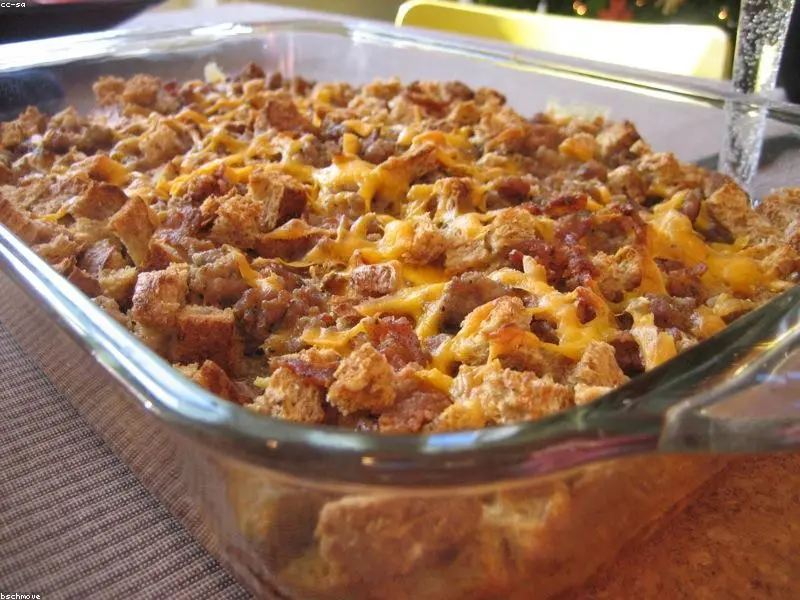
There’s nothing quite like waking up to the aroma of a warm, comforting breakfast baking in the oven. For me, a breakfast egg casserole embodies everything wonderful about a relaxed morning meal. It’s hearty, satisfying, and feels like a special occasion, even on a regular Tuesday. I’ve spent countless mornings perfecting my go-to versions, and there’s a real magic in how simple ingredients can transform into something so incredibly delicious and versatile.
Why You’ll Love This Dish
Breakfast egg casseroles are a true lifesaver for busy mornings and a star for leisurely brunches. What makes them so special is their sheer adaptability and convenience. Imagine prepping most of your breakfast the night before, then simply sliding it into the oven as you sip your coffee. No scrambling multiple pans, no last-minute fuss. It’s perfect for feeding a crowd, making it a go-to for family gatherings, holiday breakfasts, or even just feeding hungry teenagers. Plus, it’s a fantastic way to use up leftover veggies or meats, transforming them into a brand-new, delicious meal.
> “I used to dread making breakfast for my whole family, but this egg casserole guide changed everything! Now, I can whip up a fantastic meal without feeling overwhelmed. It’s truly a game-changer.” – A Happy Home Cook
The Cooking Process Explained
Making a Traditional Breakfast Egg Casserole is surprisingly straightforward, and that’s part of its charm. Generally, you’ll start by preparing your add-ins – think sautéing vegetables, cooking breakfast meats, or cubing bread. These are then layered or mixed into a baking dish. Next, a custard-like mixture of eggs, milk, and seasonings is poured over everything. The casserole then chills (often overnight to allow flavors to meld and bread to soak) before being baked until it’s golden brown, puffed, and set. The beauty is in its simplicity and the ability to customize every single layer.
What You’ll Need
To get started on your breakfast egg casserole journey, you’ll need a few key ingredients. Remember, these are starting points – feel free to get creative!
- Eggs: The star of the show. Large eggs are typically used for their consistent size.
- Dairy: Milk, half-and-half, or cream create that rich, custardy texture.
- Cheese: Shredded cheddar, Monterey Jack, Gruyere, or a blend add flavor and cheesiness.
- Bread (optional but recommended): Cubed stale bread, English muffins, or croissants can add a lovely texture and absorb the custardy goodness.
- Breakfast Meats: Cooked sausage, bacon, ham, or even chorizo.
- Vegetables: Onions, bell peppers, spinach, mushrooms, or roasted potatoes are popular choices.
- Seasonings: Salt, black pepper, and perhaps a pinch of garlic powder or paprika.
Directions to Follow
While specific recipes will vary (especially with 9 must-try options!), here’s a general roadmap for crafting your Traditional Breakfast Egg Casserole:
- Prep Your Add-ins: Cook any meats until browned and crumble sausage. Sauté vegetables until tender-crisp. If using bread, cube it and lightly toast if desired for extra texture.
- Assemble Layers: Grease a baking dish. Layer your cubed bread (if using) at the bottom, followed by your cooked meats and vegetables. Sprinkle a portion of your cheese over these layers.
- Whisk the Egg Mixture: In a large bowl, whisk together the eggs, milk (or other dairy), salt, pepper, and any other desired seasonings until well combined.
- Pour and Top: Pour the egg mixture evenly over the layers in the baking dish. Top with the remaining cheese.
- Chill (Optional but Recommended): Cover the baking dish tightly with plastic wrap and refrigerate for at least 30 minutes, or ideally, overnight. This allows the bread to soak up the egg mixture, resulting in a more tender and cohesive casserole.
- Bake: Preheat your oven to the temperature specified in your chosen recipe (usually around 350°F / 175°C). Uncover and bake until the casserole is set in the center, golden brown, and puffed. This typically takes 45-60 minutes, depending on the size and depth of your dish.
- Rest and Serve: Let the casserole rest for 5-10 minutes after removing it from the oven before slicing and serving. This helps it set further and makes for cleaner slices.
Best Ways to Enjoy It
A Traditional Breakfast Egg Casserole is a complete meal in itself, but it truly shines with a few accompaniments. A fresh fruit salad adds a refreshing contrast, both in flavor and texture. For a touch of acidity, consider a side of sliced tomatoes or a simple green salad with a light vinaigrette. If you’re feeling indulgent, pair it with some crispy hash browns or a side of fluffy pancakes. And don’t forget the hot sauce or a dollop of sour cream or salsa for those who like a little extra kick!
How to Store & Freeze
Leftover breakfast egg casserole is a fantastic thing to have on hand for quick breakfasts during the week.
- Storage: Once completely cooled, cover the casserole tightly with plastic wrap or transfer individual slices to an airtight container. It will keep well in the refrigerator for up to 3-4 days.
- Reheating: To reheat, you can use the microwave for individual servings (about 1-2 minutes) or warm larger portions in a preheated oven (300°F / 150°C) until heated through, about 15-20 minutes.
- Freezing: For longer storage, slice the cooled casserole into individual portions. Wrap each slice tightly in plastic wrap, then again in aluminum foil, and place them in a freezer-safe bag or container. It can be frozen for up to 2-3 months. Thaw overnight in the refrigerator before reheating.
Helpful Cooking Tips
- Don’t Overcook: A perfectly cooked egg casserole is set but still tender. Overcooking can lead to a rubbery texture. A knife inserted into the center should come out clean.
- Stale Bread is Best: If using bread, slightly stale bread works wonders as it absorbs the egg mixture beautifully without becoming soggy. If your bread is too fresh, you can quick-toast the cubes in the oven for a few minutes.
- Don’t Skip the Chill Time: While you can bake immediately, letting the casserole sit for at least 30 minutes, or even better, overnight, allows the flavors to deepen and the bread to fully absorb the custard, leading to a more evenly cooked and flavorful dish.
- Room Temperature Eggs: Using eggs closer to room temperature allows them to whisk more easily and incorporate more air, potentially leading to a slightly fluffier texture.
- Season Generously: Eggs need good seasoning! Don’t be shy with salt and pepper.
- Grease Your Dish Well: This prevents sticking and makes serving much easier.
Creative Twists
The world of breakfast egg casseroles is ripe for experimentation!
- Tex-Mex Fiesta: Add diced green chiles, black beans, corn, and top with salsa and avocado after baking. Use pepper jack cheese for a kick.
- Mediterranean Delight: Incorporate sun-dried tomatoes, Kalamata olives, feta cheese, and fresh basil.
- Vegetarian Powerhouse: Load it with roasted sweet potatoes, spinach, mushrooms, and goat cheese.
- Sausage & Gravy: Layer with crumbled cooked sausage, omit the bread, and serve with a dollop of creamy country gravy after baking.
- Hash Brown Base: Instead of bread, press a layer of shredded hash brown potatoes on the bottom of the dish for a crispy crust.
- Sweet & Savory: Try adding cooked apples and a touch of maple syrup to a sausage and cheese casserole for an interesting flavor profile.
Common Questions
Q1: Can I make this casserole without bread?
Absolutely! Many delicious egg casseroles are naturally gluten-free and omit bread entirely. They become more like a frittata or a crustless quiche, focusing on the eggs, meats, cheese, and vegetables.
Q2: How do I know when my egg casserole is fully cooked?
The best way to tell if your egg casserole is done is to insert a knife or a skewer into the center. If it comes out clean with no raw egg mixture attached, it’s ready. The top should also be golden brown, and the edges will be set.
Q3: Can I cut down on the fat content?
Yes! You can use skim milk instead of whole milk or cream, use leaner breakfast meats like turkey bacon or chicken sausage, and reduce the amount of cheese. You can also load up on extra vegetables to add volume and nutrients without extra fat.
Q4: My casserole is watery. What went wrong?
A watery casserole can often be due to vegetables with high water content (like spinach or mushrooms) not being properly sautéed beforehand. Make sure to cook out as much moisture as possible from these ingredients before adding them to the casserole. Overfilling the dish can also sometimes lead to a less firm set.
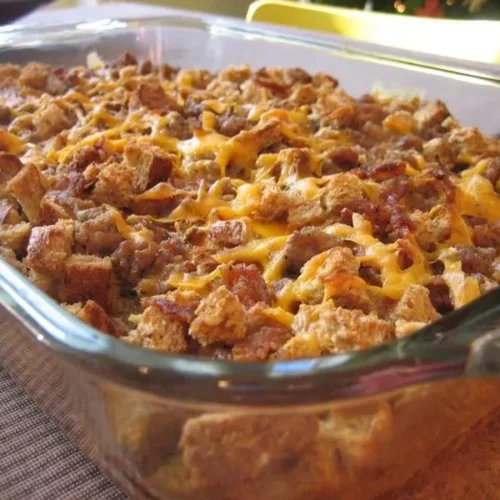
Classic Traditional Breakfast Egg Casserole
Equipment
- 9×13 inch baking dish
- large bowl
- frying pan
Ingredients
Main Ingredients
- 12 Large Eggs
- 1 cup Whole Milk (or Half-and-Half for richer)
- 1 lb Cooked Breakfast Sausage (pork or turkey), crumbled and drained
- 2 cups Shredded Sharp Cheddar Cheese (divided)
- 4 cups Cubed Stale Bread (or torn brioche/crescent roll dough)
- 1/2 cup Diced Yellow Onion sautéed
- 1/2 cup Diced Bell Pepper (any color) sautéed
- 1 tsp Salt
- 1/2 tsp Black Pepper
- 1/4 tsp Garlic Powder (optional)
For Greasing
- 1 Tbsp Butter or Cooking Spray for greasing
Instructions
Preparation
- Cook breakfast sausage and drain grease, then sauté diced onion and bell pepper until soft.
- Lightly grease a 9×13 inch baking dish with butter or cooking spray.
Assembly
- Spread cubed stale bread evenly in the prepared dish.
- Scatter cooked sausage, sautéed onions, and bell peppers over the bread.
- Sprinkle 1 cup of shredded cheddar cheese over the savory fillings.
- In a large bowl, whisk eggs, milk, salt, pepper, and optional garlic powder until well combined.
- Pour the egg mixture evenly over the ingredients in the baking dish and gently press down any floating components.
- Sprinkle the remaining 1 cup of shredded cheddar cheese over the top of the casserole.
Baking
- Preheat oven to 350°F (175°C) and bake for 45-60 minutes until set and golden brown.
- Let the casserole rest for 5-10 minutes before slicing and serving for cleaner cuts.