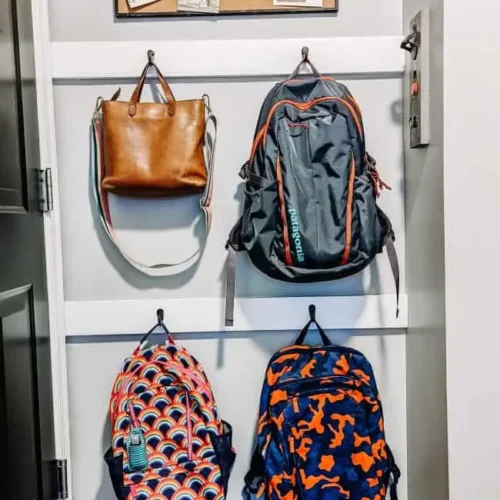
Optimal Backpack Organization Blueprint
Master the art of backpack organization with this blueprint, transforming your cluttered bag into an efficient, easy-to-navigate system using smart categorization, strategic packing, and simple hacks for everyday use.
Equipment
- Backpack
- Small Pouches/Bags
- Velcro Straps or Cable Ties
- Carabiners
- Binder Clips
- Electronics Organizer (optional)
- Clear Mesh Pouches (optional)
- Structured Felt Organizer (optional)
Ingredients
Main Ingredients
- 3-5 Small Pouches/Bags (e.g., 1 for electronics, 1 for personal care, 1 for stationery)
- 5-10 Velcro Straps or Cable Ties
- 2-3 Carabiners
- 3-5 Binder Clips
- Existing Backpack Compartments All available pockets and sleeves
Optional Ingredients
- 1 Electronics Organizer
- 1-2 Clear Mesh Pouches
- 1 Structured Felt Organizer (for large main compartments)
Instructions
Preparation
- Completely empty your backpack, discard trash, return items that don't belong, and keep only essential items.
- Group similar items into categories such as electronics, toiletries, writing supplies, snacks, and miscellaneous.
- Dedicate a small pouch for each category to keep items organized and contained.
- For electronics, use Velcro straps to neatly coil cables within the pouch.
- Keep personal care items like hand sanitizer, tissues, and pain relievers in a separate pouch.
- Store pens, pencils, a small notebook, and sticky notes in a stationery pouch.
Organization Hacks
- Place heavier, less frequently accessed items at the bottom of the main compartment.
- Utilize vertical space by placing items like a water bottle upright in a side pocket or main compartment.
- Fold clothes or papers neatly to create stable layers and prevent creasing.
- Use internal straps to compress bulkier items if available.
- Assign the front pocket for quick-access items like keys, wallet, or phone, and use a carabiner for security.
- Use side pockets for water bottles, umbrellas, or quick-grab snacks.
- Utilize internal sleeves for laptops, tablets, or important documents to keep them protected.
- Attach "dangler" items like a USB drive or metro card to a small carabiner inside your bag or to a zipper pull for instant access.
Maintenance
- After each use, return items to their designated pouches or spots.
- Conduct a quick "reset" occasionally, such as weekly, to remove accumulated trash or misplaced items.
- Only carry what you truly need for the day to prevent damage and maintain organization.
- Place heavier items closer to your back for comfort and spinal health.
- Periodically, like monthly, empty your backpack completely and re-evaluate its contents, removing unnecessary items.
Notes
This blueprint is a guide; adjust the categories and organization methods to suit your specific needs and the items you regularly carry. Regular maintenance is key to long-term backpack organization.